Report from the Trenches: NJ Marathon

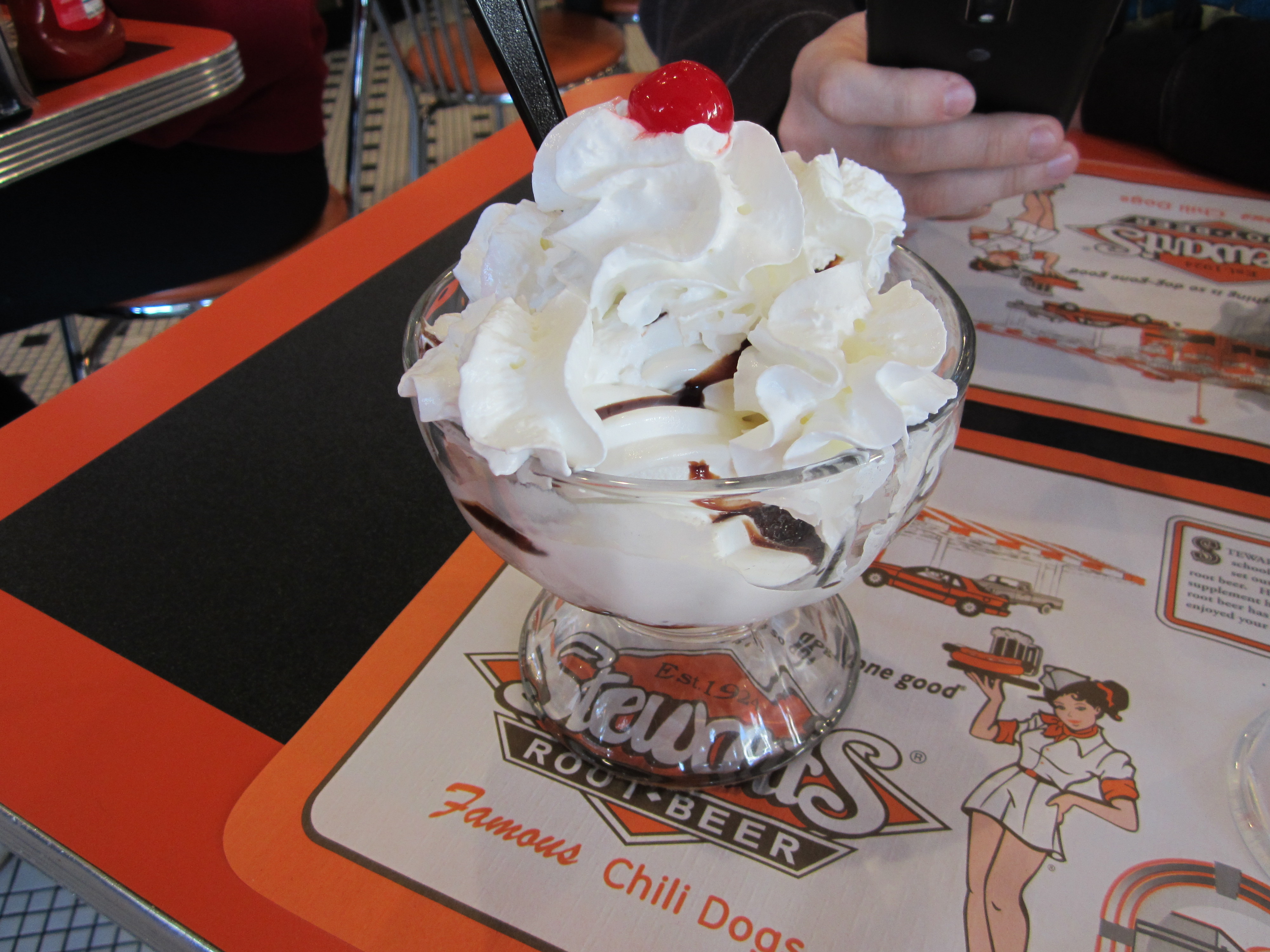
Carb-loading with a sundae and a side of fries for lunch!

Carb-loading with a sundae and a side of fries for lunch!

Over the weekend of April 26-27th, I packed my bags and hopped the train to Long Branch, NJ. I was en route to this cute beach town to pace one of my athletes during his marathon debut. The NJ Marathon and Half Marathon runs through residential neighborhoods with many twists and turns, with the marathon heading on an out-and-back to Asbury Park, ending with a mile or so run along the beach and what would have been the boardwalk if Hurricane Sandy hadn’t destroyed it, finishing with the ocean on your right and screaming crowds and hotels and condos on your left.

If you are looking for a springtime race, this might be one to add to your calendar. The weather turned out to be practically perfect. Cool and sunny, low humidity thanks to rain showers the night before, and minimal gusty winds as beach marathons go. The Half Marathon started 75 minutes before the Marathon, giving way to a race course that never felt crowded after the first mile. The race is small by city marathon standards, and so logistics were easy. Instead of navigating race morning around 20,000+ runners, only 2113 runners completed the marathon.
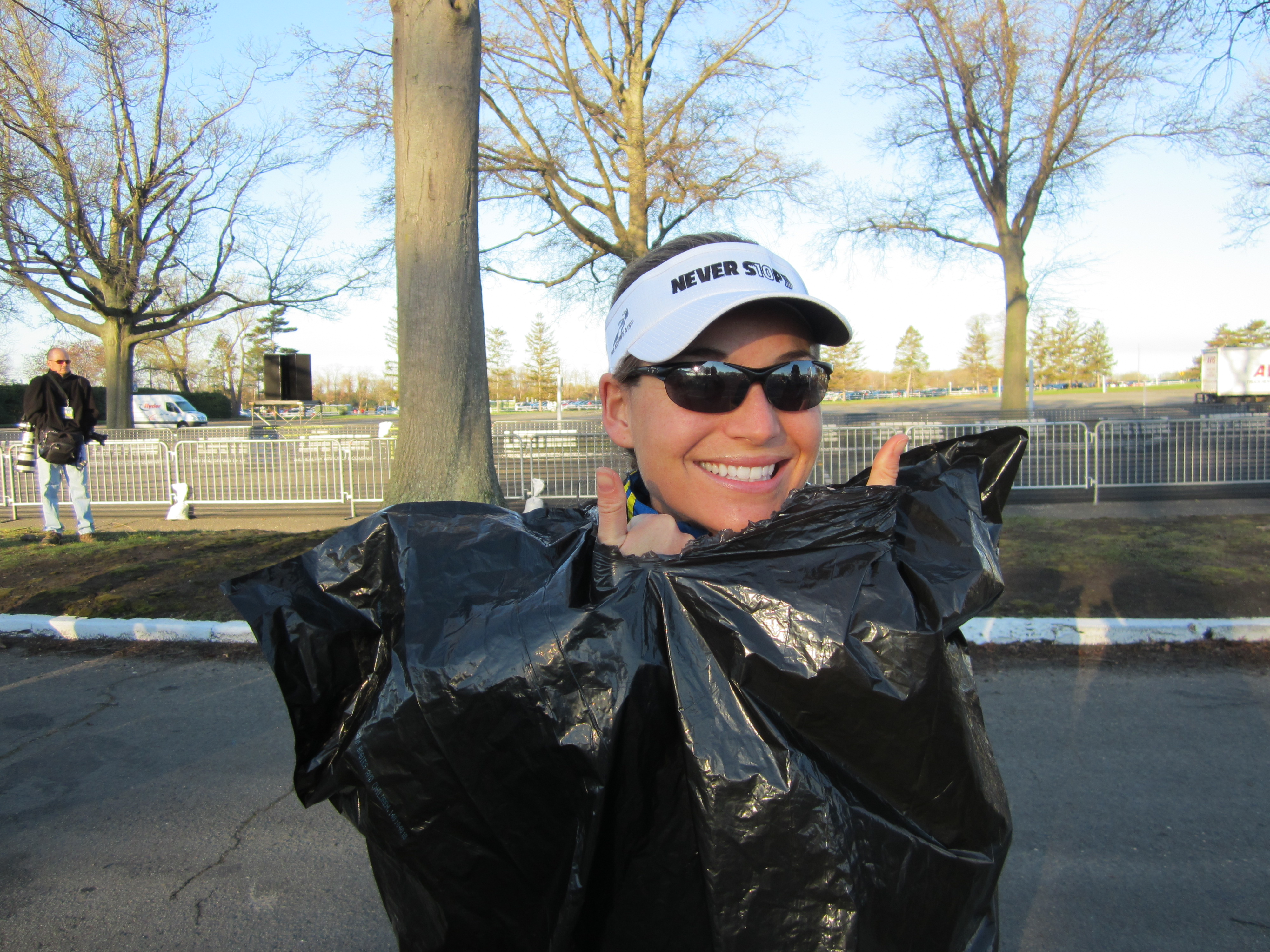
Wearing a trash bag pre-race to keep warm. Yes, its ghetto. But it works.

Wearing a trash bag pre-race to keep warm. Yes, its ghetto. But it works.

The race course was very flat, with only a few very tiny elevation changes in the first 10K. Bag check, parking, and porta potty lines were never very crowded. The race expo was also never very crowded, and easy and free parking made the process a breeze. The race organization also sent emails (I think I received 10 emails?!?) with race-day information as things changed, and in an effort to guarantee a great race weekend for everyone.

There are a few restaurants in Long Branch serving the needs of carb-loading marathoners, but the Italian restaurant we chose filled up quickly after 6pm. Luckily we sat down right before the restaurant got slammed, so consider this when strategizing meals. I find its often best to eat an early dinner the night before a race, as this gives you the opportunity to rest, sleep and digest without feeling rushed or full when trying to sleep.

The volunteers were great, but if you are looking for a race with lots of energetic spectators, this isn’t a big city race and doesn’t have those big city crowds. There were many quiet miles, though the folks who were out and cheering were much appreciated by the runners. Both the Marathon and the Half offered pacers, a tool many runners take advantage of, especially when they have a specific time goal. If a small, flat, no-nonsense and fanfare race is what you crave, I highly recommend NJ Marathon.
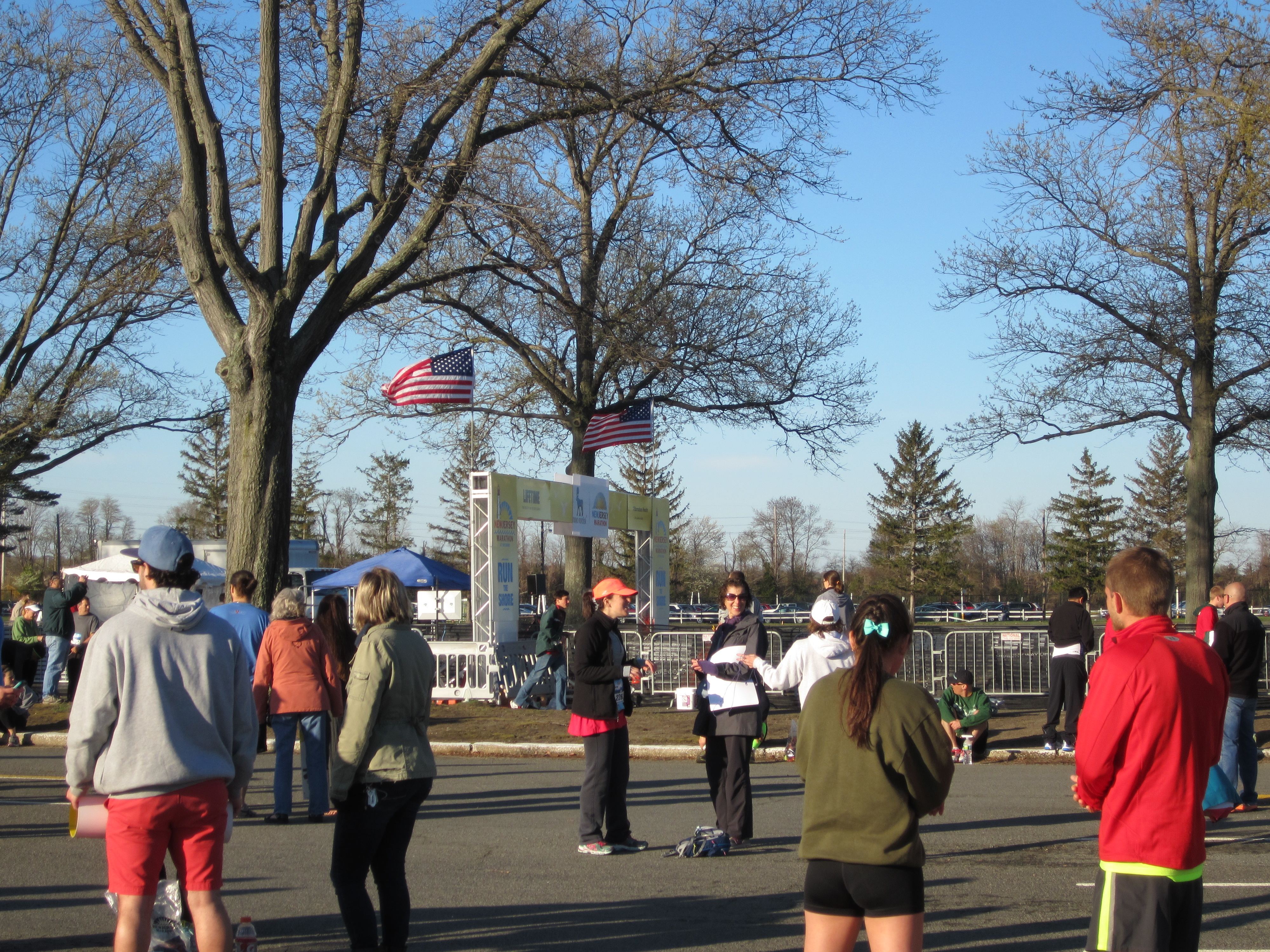
Starting line. A thin crowd 40 minutes before the start.

Starting line. A thin crowd 40 minutes before the start.
How to transition from injured to racing again

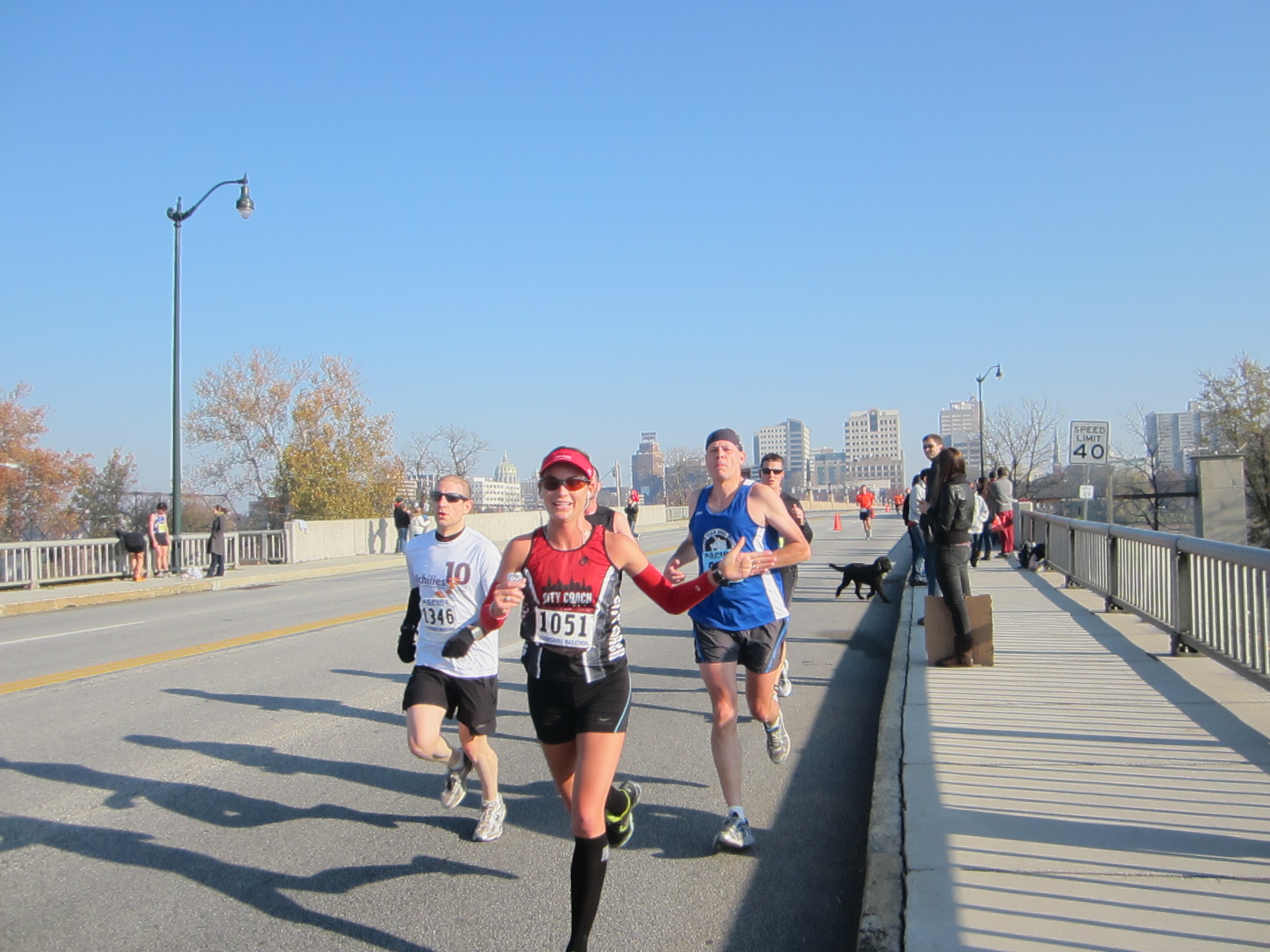
Harrisburg Marathon 2012. En route to a PR until I injured a few miles later. After this race I was forced to stop running for 8 weeks.

Harrisburg Marathon 2012. En route to a PR until I injured a few miles later. After this race I was forced to stop running for 8 weeks.

I was recently requested to write a blog about coming back to training for a goal race after some time off due to injury. I am happy to oblige Miss. Gallagher (girl, you are going to come back stronger than ever!), and think this topic is one that’s all too familiar for runners but also something we often struggle with.

Taking time off from running is rarely a choice runners want to make, but often forced to make at some point in their running careers. A troublesome IT band, tendonitis, stress fractures, torn ligaments – these are the unhappy and always frustrating part of this sport we love. Sadly, there is no magic pill or shoe or weird food we can eat to fix the problem. At the end of the day, the doctor may tell you what none of us want to hear: “REST.” The worst is when we are told “Rest for ________ months.” That’s like a knife to the gut. Being forced to rest many a runner insane. Personally, I become a monster to deal with. I am unhappy, restless, convince myself everyday that I am going to lose all fitness, and will never be as fast or strong as I once was, that my life is over, so on and so forth. The pity party can last for a few days or a few months, depending on the person and how many races or beautiful running days pass them by.

Then, like a child on Christmas morning, you will finally be given the green light – you are clear to run again! YESSSSSS!!!!!!! This is perhaps the best mood you’ll be in since your injury, and rightly so! You can finally take the first steps towards being a runner again. Best. Day. Ever. That is until you are told you need to build your mileage slowly and safely. No jumping into a fast 10K run around Central Park. Nope. Instead you may be told you can start with 10-15 mile WEEKS. Physically, 10-15 mile weeks may shockingly feel tough. Mentally, you’ll be happy to be out running, but feel ridiculous running so little if you were perviously a mileage junky. The struggle most of us have is being patient and smart after we are given the green light. Mentally, we see ourselves at our peak performance and don’t understand or easily accept that no, you are not there right now – though with time and smart training you can be again.

Last year, I was in this very boat and it sucked. I went from 60-80 mile weeks down to 10-15 mile weeks after an 8-week hiatus. Coming back was awful. Mentally, I was frustrated on almost every post-hiatus run. I would go on team runs, and struggle and turn blue at a pace that months earlier was my conversational pace, while everyone else flew by with ease. They were incredibly encouraging, but in my own head I was really hard on myself. Still, those 10-mile weeks turned into 50-mile weeks over time. I reminded myself over and over that I was not going to be injured that year, and that was the ultimate goal. After all, running poorly was far better than not being allowed to run at all. So yes, if you are coming back from an injury, I can totally relate. I can sympathize, and I can be the voice of reason for how and while coming back slowly is the only shot you’ll have of a healthy season.

The important thing is to not compare yourself and your current fitness to the people around you. Hopefully they are not also coming back from injury, so why compare yourself to a healthy runner? In fact, why compare yourself at all? Instead, look back over your past training history, because the evidence for what went wrong and lead you to being injured may be there. Mistakes are welcomed lessons to runners as long as we learn from them. Figure out what perhaps you did wrong. The hard part is being objective. What may be right for your training buddy could be wrong for you. Did you take rest days? Were they really rest days, or were you “not running” but still training in some way? Did you get much sleep? Did you never stretch? Did you wear awful shoes when not running? Did you take on too much mileage or intensity too soon? Did you race every weekend? Do you have physical limitations you pushed too hard? I promise you that your training past has some clues for what went wrong.

Its easy to be mentally restless when coming back to training, especially if you have a goal race looming in the future. I get it, you want to play catchup. Don’t. Instead, come up with a sensible plan. Lay it out in front of you, so you can visualize your time and how to wisely use it. This will reduce any anxiety over a race goal and give you time to focus on base mileage and building back to where you need to be before pushing pace and distance.

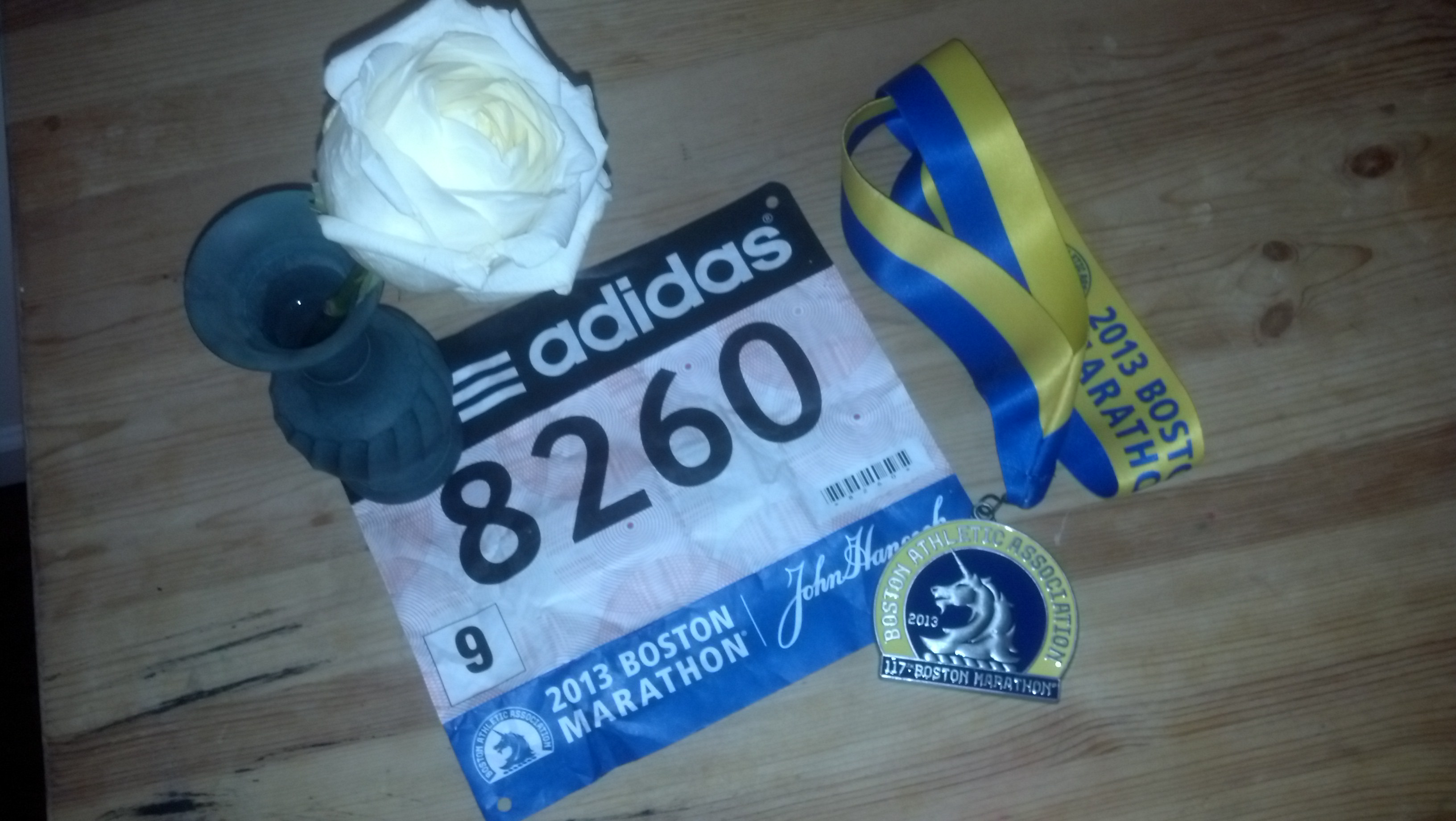
Last year, I was given the green light for my first 10-15 mile week on January 8th. I had the Boston Marathon on my calendar for April 15th. Three months to train for a marathon isn’t a lot of time if you are starting with great base mileage. I was starting at zero. Literally. I made it to the Boston Marathon, but I was forced to make adjustments. My race goal had to be to finish, and to run it easy. I was not allowed to run hard. My doctor also didn’t let me run anything fast until mid-March. I ran one 20-miler in my training, while I usually run 3-5 long runs of 20+ miles leading up to a marathon. It was a hard pill to swallow, especially because my original plan was to race Boston and go for a big PR. However, I felt incredibly lucky on April 15th to feel strong and to cover 26.2 miles a few short months after being side-lined. It may happen to you, that your goals get crushed. It’s hard, but remind yourself that once you get healthy and back to racing, there are always future marathons or races. Maybe this won’t be “your year,” but there is always next year – as long as you take care of yourself. As for me, my big PR happened six months after Boston, at the Philly Marathon. Again, you can always adjust and when the timing is right it will happen for you. Be kind to yourself.

When coming back to racing, use support from runners around you. The odds are that many of them have experience with injuries. Lean on them for support. Just be careful to not let them tempt you with running too far or fast too soon. Join them for mileage, but hop in or out of the run as you need to. This will make you part of your running community without doing too much. Communicate with your running pals about your limited mileage or speed. They will be supportive. Again, they have probably been there before.

Lastly, remind yourself that these struggles will make you are stronger and smarter runner in the big picture. Force yourself to learn from your mistakes and your running career can last decades. And if you think the speedy lady in the park who can clock 80+ mile weeks year after year won’t get injured at some point, guess again. Odds are she will. Its part of our sport. At some point we are all that runner starting at zero. The trick is the lessen the odds of being that runner time and time again.

Supplementation Slap-Down

0120bwebRecently the topic of supplementation came up on a running forum, and it sparked the desire to discuss the topic here on Coach Corky Runs. Supplementation refers to vitamins and minerals, and meal replacements  – like protein shakes. These fitness tools have been popular in the health and fitness world, from body builders to people with iron or calcium deficiency.

While some people may benefit from supplementation, be it for athletic performance or daily health, its important to talk to a doctor and/or nutritionist before buying everything on the shelf at GNC.

A few things to consider if you are interested in supplementation: If you eat a balanced diet, you most-likely won’t need any supplements. The exception, of course, is if tests show you are deficient in specific nutrient.

If you are new to a fitness routine, supplementation is not a magic way to become fitter, faster or stronger. Yes, protein supplements can help folks looking to gain weight, but that’s because protein post-workout is a necessary part of the weight-training and muscle building process. Eating chicken, greek yogurt, eggs – anything high in protein will do the job. If supplementation makes getting your protein in post-workout easier than reaching for real food, it is certainly far better than nothing at all. However, look at the ingredients on the package and take note of how many ingredients you don’t know about – let alone can pronounce.

Supplementation without the guidance of a doctor or nutrition expert can be dangerous. Our bodies are all different, and we all need different things. If you don’t know exactly how much of one mineral, for example, you need, you could easily overdose and hurt your body. While many people are anemic, overdosing in iron can be dangerous. Making assumptions without medical reason can get you in trouble.

There are many theories floating around out there that certain supplements can help you train harder, run faster, lift heavier, etc. But these are only theories, have spun into a pretty web by companies looking to promote their supplementation or folks on tv looking to share a miracle vitamin, mineral, or food.

In short, remember to do your research – medical journals, not what’s floating around on Buzzfeed. And talk to a doctor. After all, unless you specialize in this field, you could be playing Russian Roulette with your health and athletic performance.

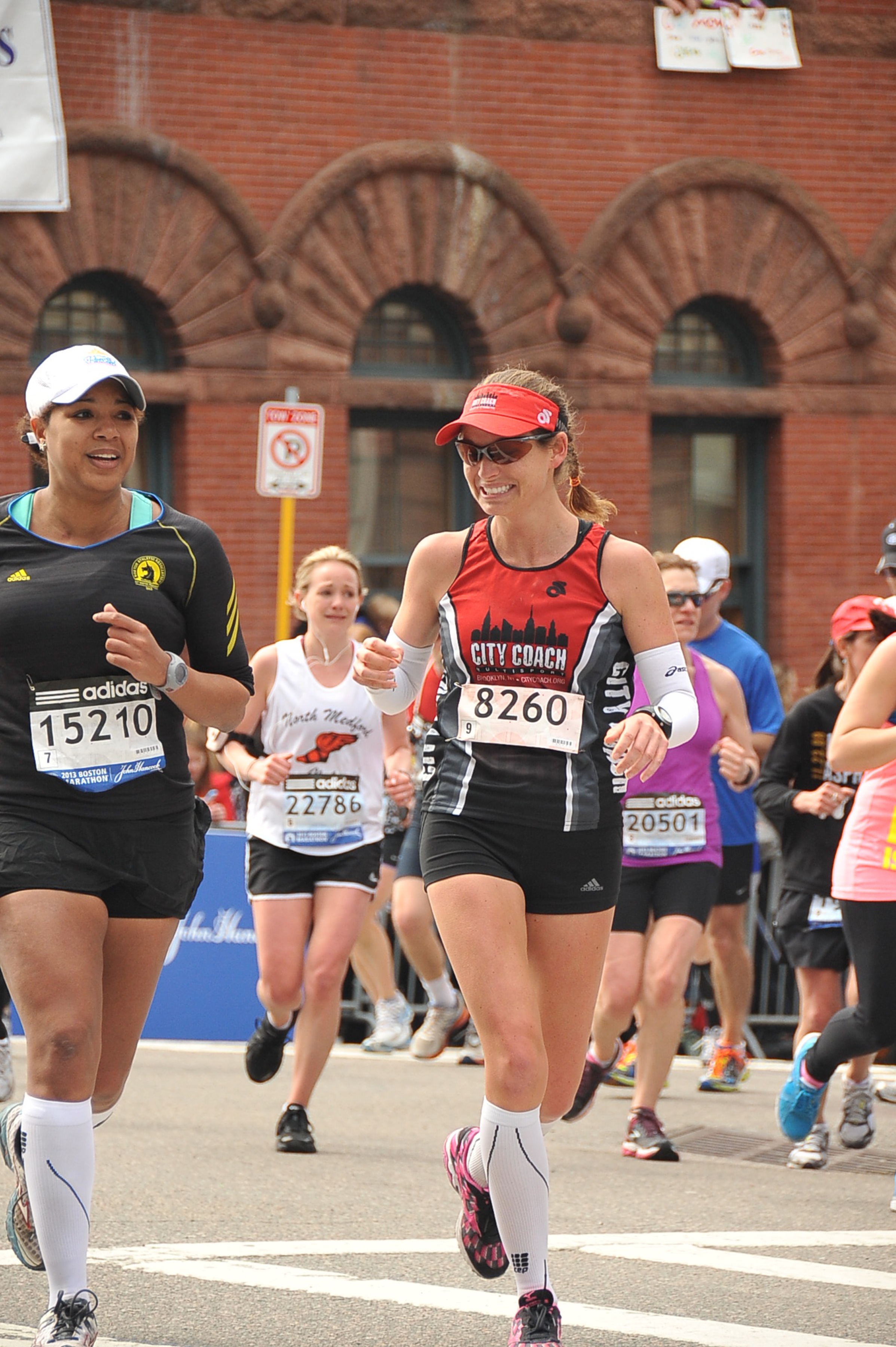
One Year Since Boston

A race I will never forget.

A race I will never forget.

It has been a year since the Boston Marathon bombings. A year since the shocking and unthinkable became reality in front of my eyes. I realize of course, that I am far luckier than many people who were at the finish line that day. My scars are purely mental and emotional, and my life has arguably been far better than it could have been. I am very lucky.

For many, many days and nights my mind was plagued by flashbacks. Sleepless nights, and shooting out of bed when a siren broke the silence became routine. I lost my love for running, and in general for most people. I lost my sense of self, my outlook on life, and my ability to control my emotions. Over time, PTSD is no longer part of my daily life. It slips in here and there, and I do my best to handle it.

I suppose on some level, my struggles to cope post-Boston are similar to the grueling mental demands of the marathon itself. When your legs hit mile 17-22, and your legs are screaming to stop, it is your mental strength that forces you to forge on towards the finish line and to never give up. Many people use the saying “Life is a marathon, not a sprint.” Let me tell you, my last year has been a marathon. The good miles where you cannot help but smile and run with such joy and focus, and the miles where you do all you can to hang on.

This year I have many friends and team mates who will toe the line in Hopkinton and take their journey on the best marathon course in the world, crossing the iconic finish line on Boylston Street. Part of me wishes so badly I were ready to go back. I want to be there to cheer. But I also know I am not ready. The scars are too deep, and I know going back would most likely lead to a mental spiral into PTSD. I want so badly to be stronger than that and to share the “Boston Strong” chorus every runner has decided to sing. But I can’t. Not yet. Unlike most of those runners, it was personal. Really personal. While so many runners wanted to make it about themselves and our “running community” as they watched the news from the safety of their own homes, I would have given anything to have been anywhere else. But we don’t get to make those decisions.

Socially, my life has changed a lot in the last year. Many friends who I used to consider close, or part of my social circle have dropped off and stopped including me. I get it. I have turned inward at times and perhaps repelled acts of concern. But honestly, most haven’t stepped up or cared enough to realize that this year was the year I needed friendship the most. Sure, it hurts. But I keep my big girl pants on and remind myself that sometimes events like this show you who your real friends are. That being said, other people in my life have stepped up and been incredibly supportive, when I know it took extra effort on their part to break me down. I am eternally grateful to those people. On my own, I probably would have gone crazy. Even the smallest gesture of a caring text message goes a very long way. To those who have made the effort, know that it means the world to me.

729950-1045-0028sI recently looked at photos from my race last year, and reread the three-part blog for the first time in over six months. Just rereading my own words made me feel ill. It also made me feel excitement and gratitude as I read about the great moments that day, the moments before the blasts. I am hopeful that I will be strong enough to take my spot in the 2015 race. I know that there’s a good chance I’ll emotionally fall apart on the course, or have to fight off panic attacks, since that has been my race norm this year. But I am going to do my best to overcome those mental hurdles. I know if I can train and race marathons that test every fiber of my mental and physical being, I can run Boston again. Logically I know that. Putting it into practice is the hard part. Thankfully, I have another whole year to work on healing.

In an attempt to not have this blog be a total downer, I hope that those of you training for a race do it with joy. Running is perhaps the simplest, most organic full-body expression of happiness. It doesn’t matter if you run fast or slow. If you do with with joy in your heart and a smile on your face, you are doing something right. Be grateful you have a body physically capable of running and celebrate that. While we all run and train for different reasons, at the core there has to be a love for the act or running, or why do it? Your relationship with running may eb and flow like the tide, and that’s perfectly okay. If you love it, the tide will change in time and you’ll never lose your love for the sport. On days where running wears me down, I remember that. I got into this sport because I loved it, and I will continue to be part of this sport as long as I love it – and hopefully share my love and inspire other runners along the way. Just put one foot in front the the other. Simple.

Cherry Blossom Trip

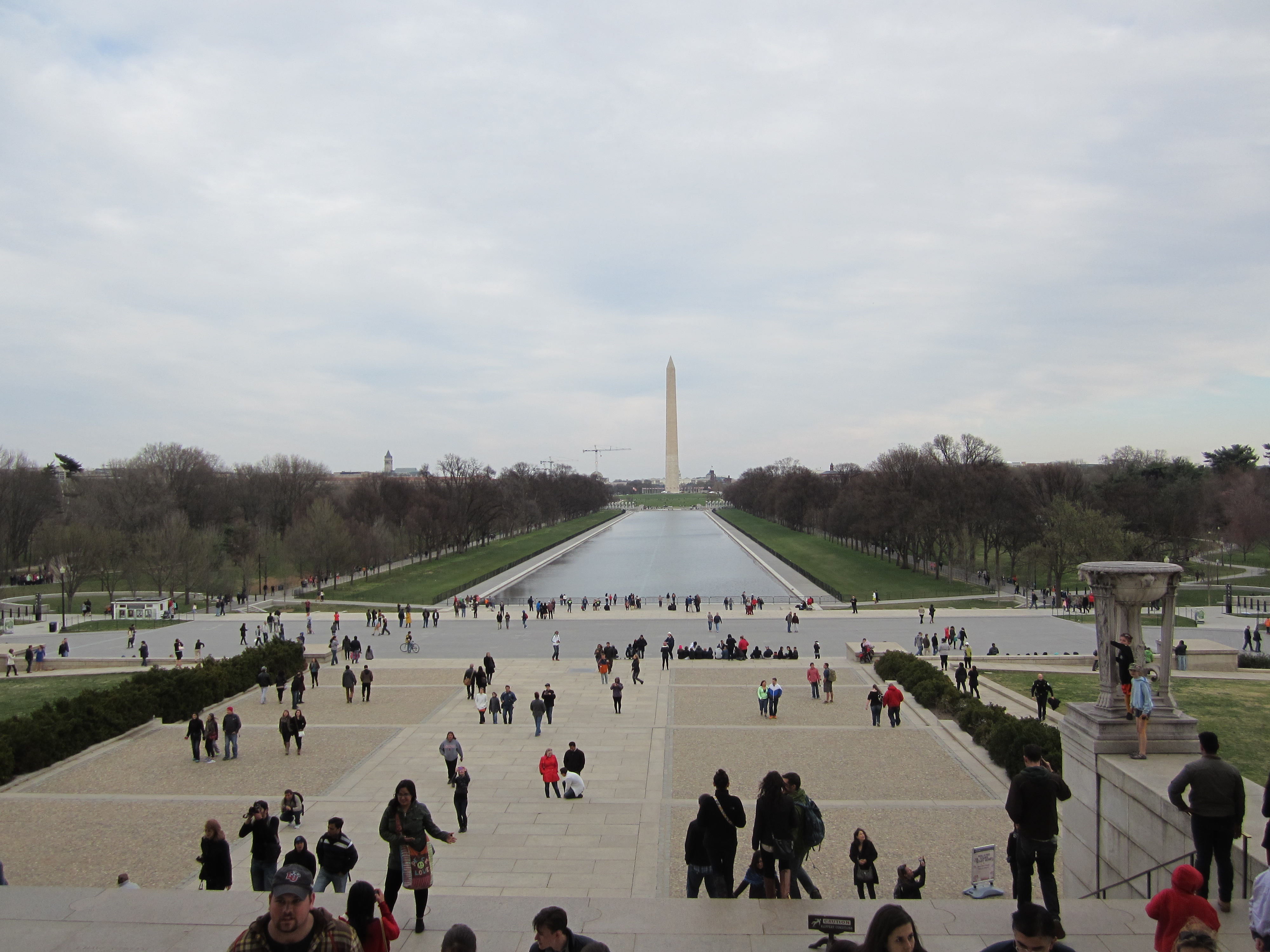
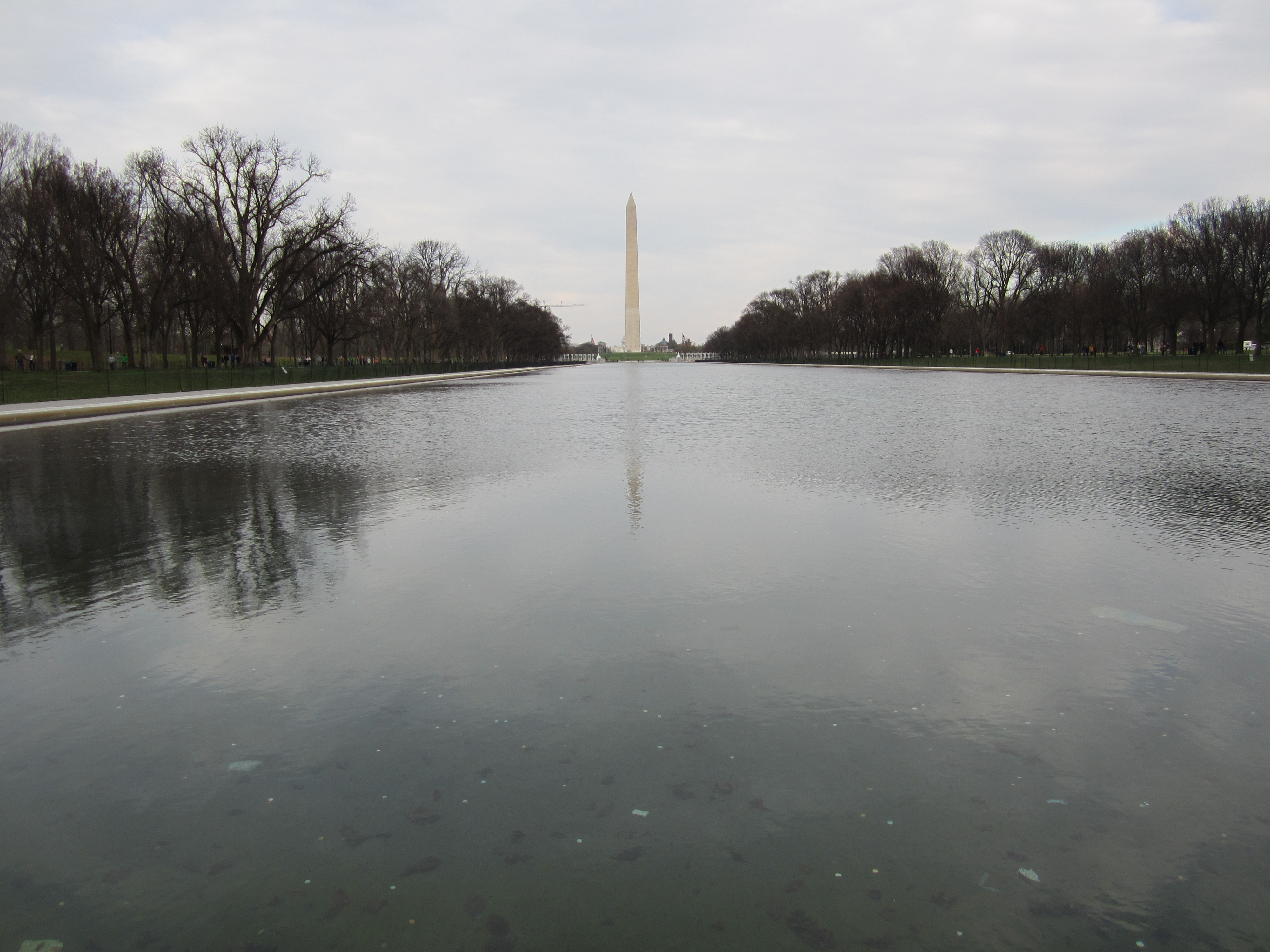
View from the Lincoln Memorial.

View from the Lincoln Memorial.

This past weekend I hopped a train down to DC to run the Cherry Blossom 10-Miler. I had made the decision weeks beforehand that I would not be racing, but rather running for fun. Between a cold Winter and months of being sick off and on, my training simply wasn’t in a place to run hard.

Unfortunately, on Thursday I was full-on sick again. My doctor put me back on antibiotics for bronchitis and a sinus infection. Obviously the timing wasn’t awesome, but I was surprised to feel pretty darn decent on Friday and Saturday. I focused on rest, and was optimistic that I could run on Sunday.

On race morning, I woke up after a night of coughing off and on feeling not so awesome. That deep chest cough I had been battling for the last five weeks had magically decided to return. I am still on antibiotics, so I was surprised to suddenly not feel good. I shook it off, and changed into my race gear and ate a bagel.

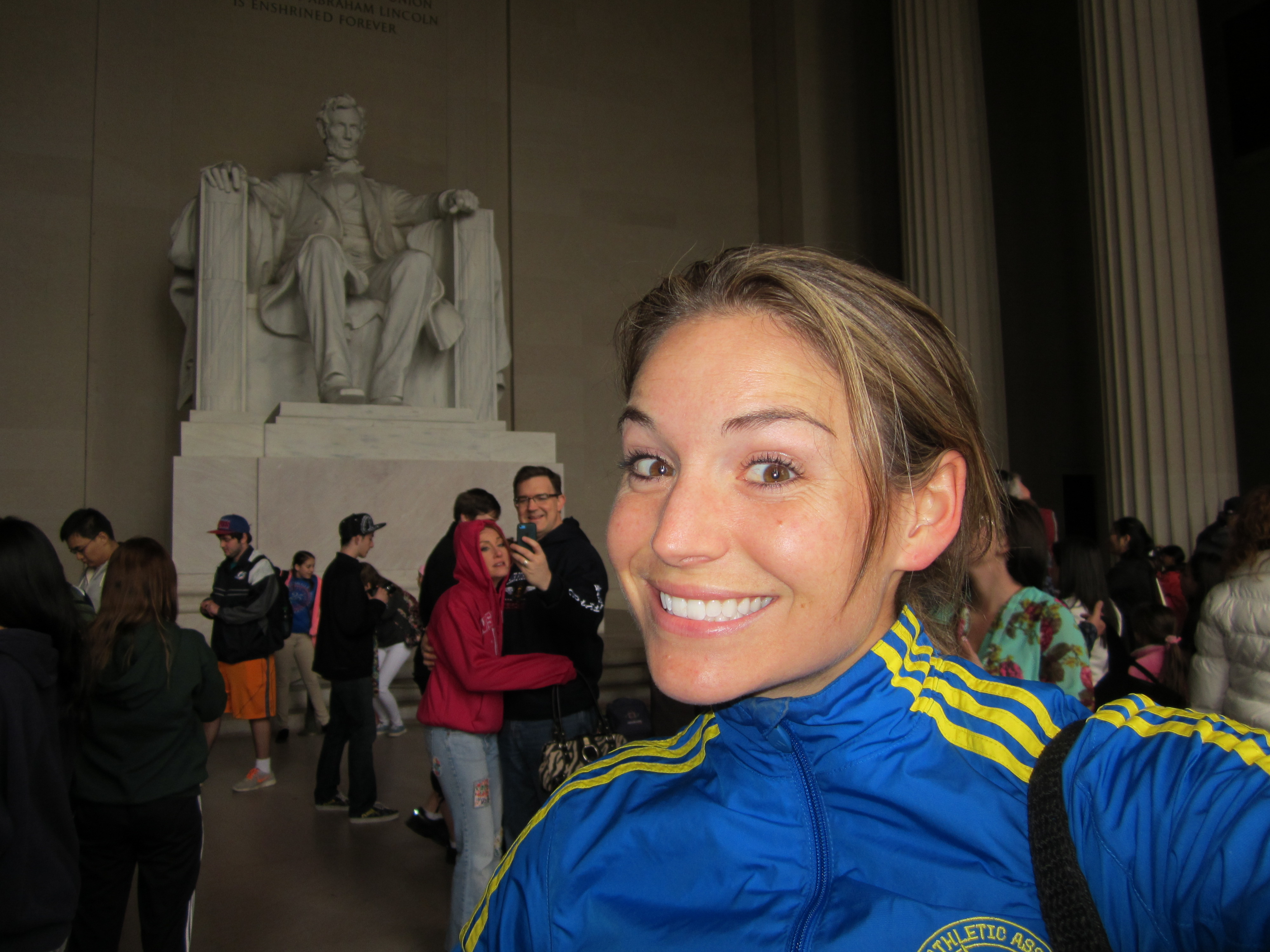
With Honest Abe

With Honest Abe

I then made a decision I had never made before – I decided not to run. Battling sickness over and over again has put me in the position where I need to make smart choices. I should also mention that at the start of the race, temperature was locked in at a cold 34 degrees. I hadn’t brought Winter running gear, as the weekend forecast when I had packed was calling for mid-40s to 50s for race morning. Running in my non-Winter race gear, while sucking in icy air sounded like a stupid move for someone sick.

While part of me was bummed to miss out on a race I’d not only gotten in through the lottery on the first try, I had qualified for a seeded spot, I was also excited to run through the Nation’s Capital. However, a lesson I have learned, that perhaps is a lesson all runners must learn – its silly and often stupid to risk health for one race. Cherry Blossom will be there in future years. Risking my health for the next few weeks simply wasn’t worth it.

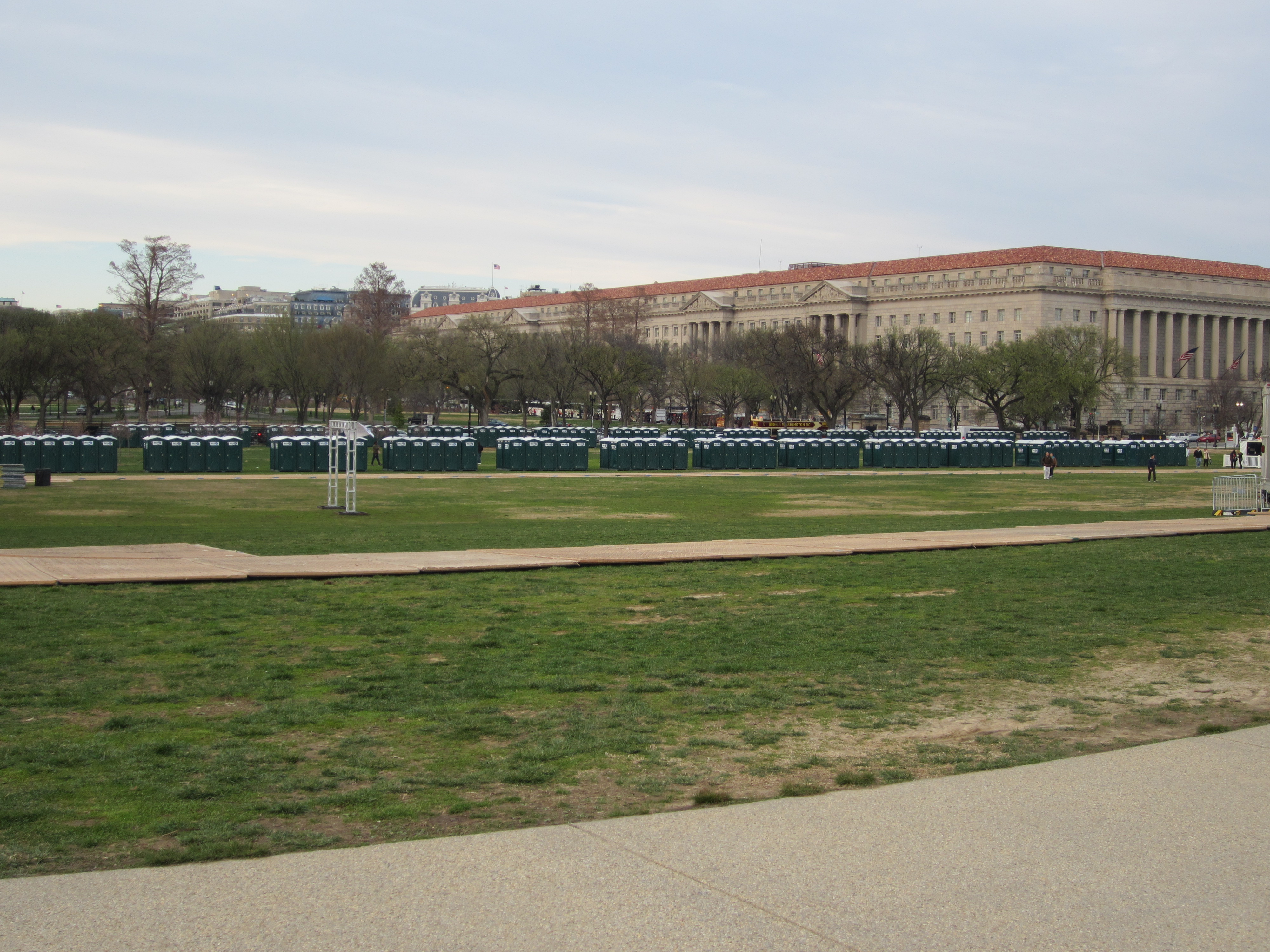
Race wall of porta potties!

Race wall of porta potties!

This is a lesson all of us runners must learn at some point. There will be those races where lacing up and heading to the starting line just isn’t smart. Perhaps its a nagging injury, being under trained, or being sick. It’s in our nature as runners to tough it out, push through discomfort and take that gamble. However, if you run for fun – are you going to have fun while running ill, injured, or under prepared? The answer is “no.” If you are running to better your race time, the odds you’ll achieve that while ill, injured or under prepared are slim – so why tough it out when in the big picture its one race.

If you end up in a position like I did this past weekend, remind yourself that not racing won’t disappoint or let down your friends, family or team mates. You aren’t a wimp or a weakling, you are smart. It’s hard to remember that, especially as toughing it out is often part of running culture.

Washington Monument

Washington Monument

As I leave DC and write this blog on the train, I am disappointed that the weekend turned out the way it did. I love this sport, and I love being a part of it. But a few weeks from now I’ll be focused on other goals, and prepping to pace a runner on his 26.2 mile journey at the New Jersey Marathon. I am hoping my decision today will help kick this sickness roller coaster for good. And if it doesn’t, at least I know I am doing the best I can and making choices that are proactive towards getting healthy.

Remember, if you are smart and lucky, you will have years of being healthy and running many miles in your future.