“HOW TO START RUNNING NOW: 7 TIPS TO GET YOU ON YOUR WAY”

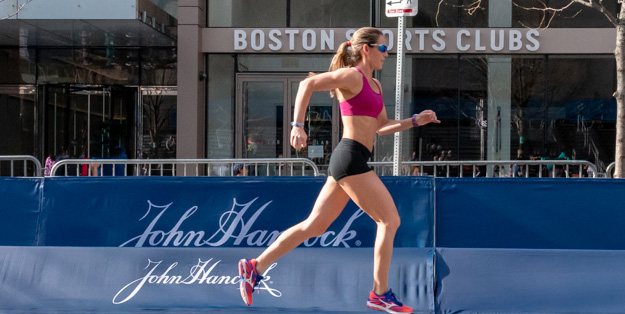
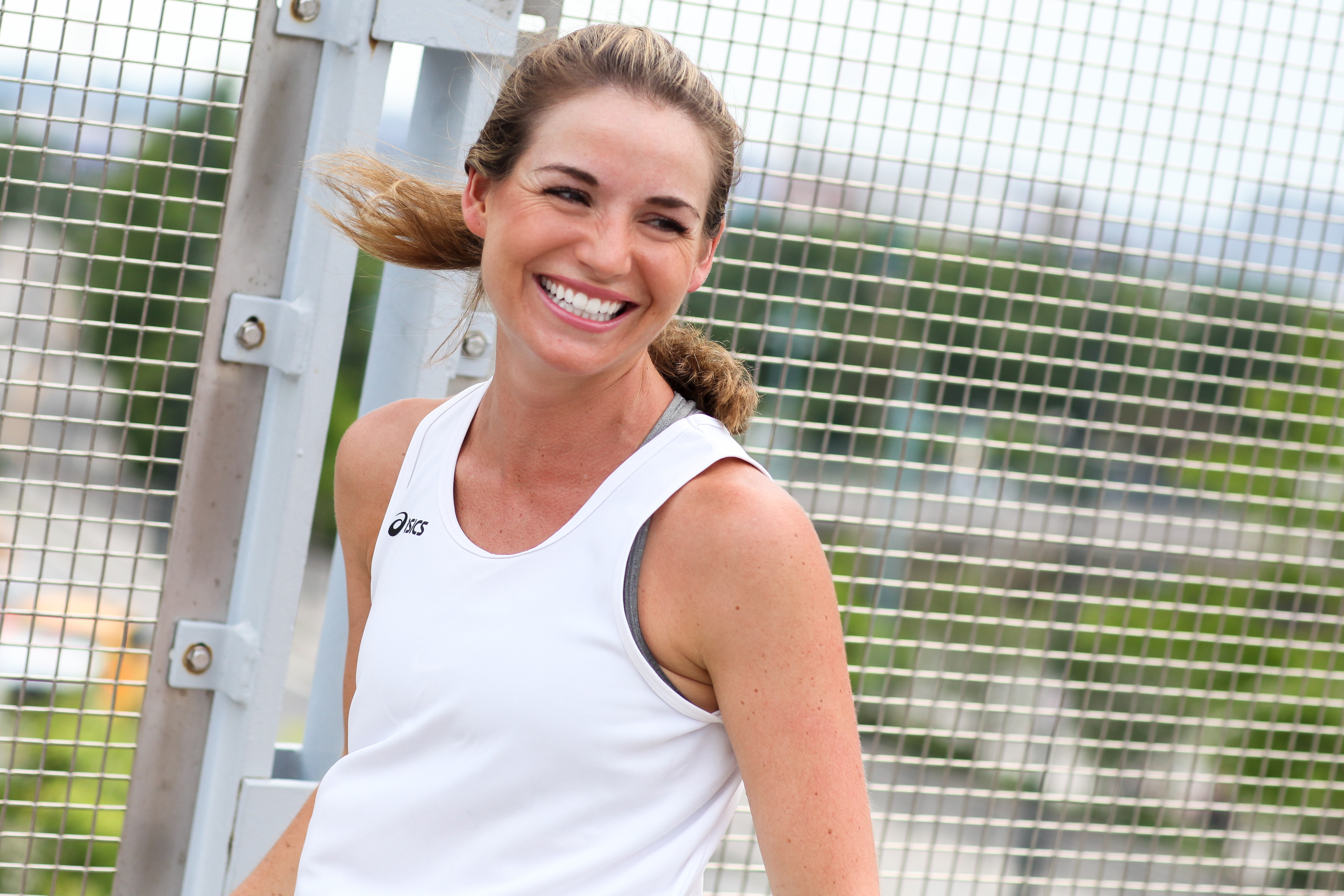
img_6834-editA few weeks ago I was interviewed for Bustle.com‘s article on tips for getting started with running.

I thought some of you may perhaps benefit from some of the questions I answered.

If you are new to running, perhaps you have found other tricks and tips that have worked for you! While we are all different, it’s important to always begin slowly and to build mileage gradually. Before you know it, you’ll be running harder and further than before!

Have a tip I didn’t mention in the article? Please share it with the class in the comments!
Back on My Feet: Road to 100

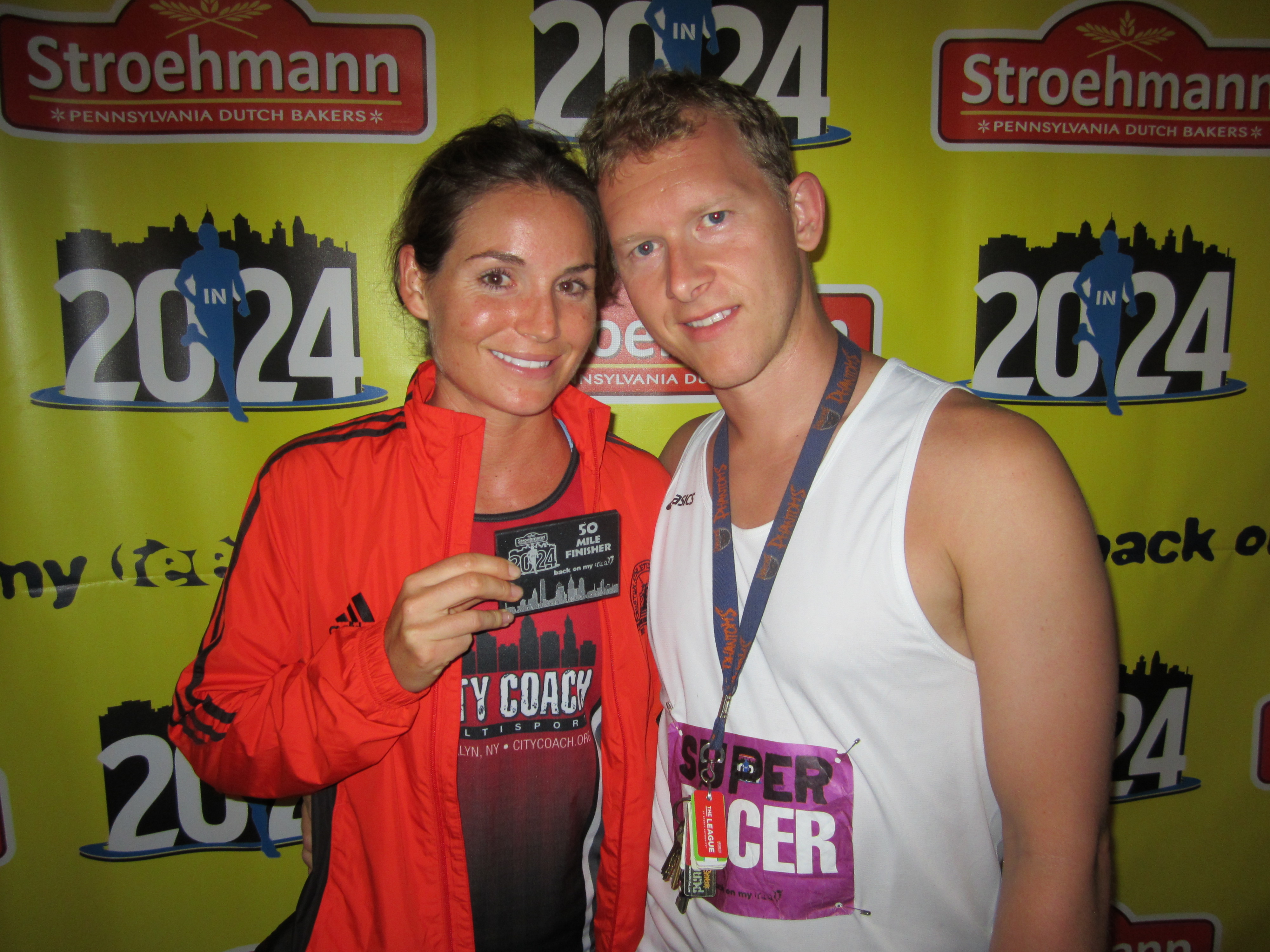
After my 68 miles and out of the medical tent, with Chris.

After my 68 miles and out of the medical tent, with Chris.

After a whole lot of thought and consideration, this coach has decided to attempt a second go at the Back On My Feet 24-Hour Ultra. There are a bunch of reasons why I am taking a second go at it, and why I’ve decided this is the right year to do it.

Here’s a little back-story, in case you have no idea what I’m taking about: In July 2012, I attempted the 24-hour Ultra with the goal of achieving 100 miles. Yes, that’s pretty darn insane. Yes, it requires a lot of training. And yes, even under the best conditions, 100 miles is a LONG day at the office. If you’d like more details about my first experience with the Back On My Feet race, here is the blog I wrote about that. The abridged version is this: I made it 68 miles and was pulled off the course by the medical team and not allowed to continue do to extreme dehydration and compromised kidney function. With 10 hours left of the race, and currently the 3rd place female, I was not allowed to continue. Yes, this was for my own good and yes I was physically very beat up. It was a long day and I learned a lot about myself mentally, physically, and what I did right and what I could have done better to have achieved my goal.

For a while I swore I would never go back. First off, I’m not a crazy person and so I can totally relate to what you are thinking. Why the hell would you put yourself through something like that – on a humid July weekend, no less? The answer is simple: to prove to myself I can. As a person, I thrive on challenge and when someone tells me I’m not capable of something or not good enough, it lights this fire in my gut and this drive to prove them wrong. As a coach, I want to do it to prove to every single person who reads my blog or coach that if I can do this, you can achieve your goals. I am just a human being. I’m not a super human. I want to be a living example that with enough training, determination, and a smart plan – you can do anything. Friends and family who witnessed what happened back in 2012 will no doubt have their concerns. I have concerns too. However, I learned a whole lot about what I need to do different, and am confident I can set out to do what I failed to achieve in 2012.

A few things I have learned:

– I sweat a LOT when I run in summer. Like, a whole lot. Even though I remember dumping bottles of water, gatorade, mango smoothies and salt pills into my system in 2012, it was NOT ENOUGH. This time around, I need hydration to be my priority over everything else.

– I cannot run the race like a race. It sounds silly, but I didn’t pace myself mentally for an Ultra. I was still thinking like a competitor out there, and barely took any breaks. Stopping to dump in calories, stretch and take note of any danger signs could have really helped me. I also need to ignore the announcer who would announce which “place” I was in every time I ran through base camp. For the entire 14 hours out there, I was the 2nd or 3rd place female. That messed with my head.

– When you try your best, that has to be enough. Yes, I was disappointed that I didn’t make it to my goal, but I achieved more that race day than ever before.

– I need to reduce the amount of “goals” for this year. In 2012, not only did I set my 100-mile goal, but I also set the goal of PRs in the 5K, 10-Miler, Half Marathon, and Marathon. I achieved all but the 100-miler and the Marathon, where I injured halfway through and was forced to take 8 weeks off from running. Avoiding injury is my greatest priority.

– I need to limit my amount of speed work in the months leading up to race day, when mileage will be at its highest.

– Having pacers and support was extremely helpful the first time around, and I certainly would not have gotten as far or have had so much fun without them. Asking for support again needs to happen.

– If I want to see the sun rise on the second morning, I need to be smart on race day and adjust plans for the weather and my body.

I had originally thought this idea of redemption would fit into my life in a few years – perhaps 2015 or 2016. However, with all of the easy miles I now clock as a coach pacing my runners, I feel like my training for the Ultra is already halfway there. So, why not take it a step farther and have this be the year? Yes, training for an Ultra is time-consuming. Its also hard on the body. I also remember spending so much time when I wasn’t running focusing on refueling. Pouring water, electrolytes and calories into my depleted body was almost a full time job. But I don’t know what my life will be life in a few years. Perhaps I’ll be running tons of Ultras by then (I doubt that!), or maybe I won’t be living on the east coast, or I’ll have a family, or I’ll be too focused on my clients, or on speed work. I just don’t know, so I figure if I can keep myself healthy, then this is the year.

Part of me is super excited for a second go at this race. What I am most excited about was the sense of support and love from my support team, pacers, and friends and family near and far. The experience made running bigger than one person. My goal in 2012 turned out to be an impossible feat, but the determination and fight to try came from my support team as much as from me. While I don’t see my future years of running to include many Ultras (perhaps how you may feel about marathons!), crossing the finish line of this race is something I need to do.

Post-Ultra swollen feet, days later.

Post-Ultra swollen feet, days later.

“The Biggest Loser” loses big

Liz-Corkum-516Unless you live under a rock, you have probably heard about the recent “Biggest Loser” scandal. If this is the first you’ve heard of it, kudos to you for being too busy with more important things! Let me preface this blog by saying that though I have watched seasons in the past, I did NOT see this season, so all of my information is from news articles, video clips, twitter, Facebook and conversations with clients. I should also be clear that I don’t personally know any of the trainers or contestants who have ever appeared on the show.

What I like about “The Biggest Loser” – the show has motivated thousands of people to get off of the couch and to get active. That’s a great thing. I am a fan of anything that positively motivates people to do something to better their health, life, priorities and mental state. There’s no denying that ‘The Biggest Loser” has become a vehicle for weight loss. I remember watching “The Biggest Loser” before I was a personal trainer, before I had run my first marathon, and before I had run my first race. I also remember feeling inspired to never cut a workout short or to give any less than my best. I’m sure part of that inspiration came from inside me, but the show always gave me a kick in the butt.

That’s where the warm and fuzzies stop.

First, let’s talk about the role of a Personal Trainer. A personal trainer’s job is to educate, motivate, create a training/nutrition plan, and to SAFELY guide their client to their goals. The trainer is a teacher. They are the expert, often educating their trainee on basic nutrition, exercise and health. This is a huge responsibility. I can personally say that as a Personal Trainer myself, I take my responsibility extremely seriously. I realize that another human being is entrusting me with their health, goals, and life. I educate my clients on nutrition, workouts, rest and recovery. I make sure they understand basic nutrition, how to correctly use machines and go through drills and workouts, and I explain the purpose of the workouts and the training plan. Fitness and nutrition succeed when they become part of your lifestyle. There is no magic pill or crash diet that will give my client what they want in a healthy, sustainable way. As a Personal Trainer, not only do I worry about injury and injury prevention, but also the mental state of my client. Yes, being a good Personal Trainer takes a lot of care and work, but it is worth it. There are lots of excellent trainers out there, changing the lives of people everyday. Personal Trainers also motivate their clients. Personally, I am a believer in positive reinforcement. I will NEVER call somebody fat, lazy or slow. If I need to be firm, I tell them to dig deep, focus on that workout, and remember how far they’ve come and how far they want to go. Positive energy is contagious. The trainers who yell and belittle their clients are assholes. Period. Personal trainers create workout and nutrition plans, often looking at the big picture and not what can be achieved in the first few weeks or months. The clients dietary needs, likes, dislikes, and workout demands are factors that go into the plans I create. As you can see, being a Personal Trainer has to be a labor of love. A Personal Trainer also needs sound scientific, nutrition and medical knowledge – even if just on a basic level.

On the “The Biggest Loser” Ranch, the contestants live an extreme lifestyle. If you think people can safely drop the percent of bodyweight achieved in the amount of time the contestants are on the show, you’re wrong. Consuming an extremely reduced caloric intake – around 1,200 for women, 1,800 for men, and sweating out calories for SEVEN HOURS per day is simply not sustainable or safe. Yes, that insane combination will make for drastic weight loss and captivating television. Sure it can be done, but should it be done? No. Besides, no sane person left to their own devices would put themselves through that lifestyle on their own.

As far as Rachel’s scary weight loss, she played the game. Yes, if she were my client I would be very concerned about her wellbeing – both physically and mentally. No, I don’t know all of the details regarding who she is, how she trained, and what she’s eating or not eating. I can guess and speculate, but that’s not fair to her. Frankly, I feel bad for her. She transformed from an obese, self conscious young woman into a thin woman under fire. She felt judged for being fat and now she’s judged for being thin. Let us remember that “The Biggest Loser” is a game show with a cash prize. It is also a show where people put their lives in the trusting hands of health professionals. As far as the game goes, she did what she had to do to win. Arguably, if I were in her shoes I might do the same thing. Again, there’s a big cash prize. Perhaps the problem is at the core of the show’s concept: its a game show first and foremost, and the health and wellbeing of the contestants is not the priority.

Let’s also dig up the motivation of the personal trainers on the show. All of the trainers have book deal, workout videos, cook books, guest appearances, and huge endorsement deals with unproven and potentially dangerous weight loss supplements. They have all created fitness empires. Folks look up to them as experts, and will buy anything with their faces and names on them. They are brands. Part of me says “good for them.” They have used their platforms to educate and motivate others. They have also used their platforms to make a lot of money. All the trainers also have decent contracts with NBC and “The Biggest Loser” brand. So I think it’s fair to say that while as trainers their #1 priority should be their trainees, the trainers on the show have a lot to gain and a lot to lose.

I’m sure everyone over at NBC and “The Biggest Loser” will say that the contestant’s wellbeing was their first priority. Let’s get real: ratings and the future of the show is the first priority. And perhaps that’s the problem. I am shocked that as of the date I am writing this blog, none of the trainers have come forward or spoken out about Rachel’s health, training or nutrition, or to voice their concern. Instead, the entire team has kept quiet. I cannot honestly believe that if this woman’s health is the priority they would keep quiet. As a trainer, it would be irresponsible, especially when you have such a platform and fitness empire, to keep quiet at a time like this. It’s not the pleasant part of being a trainer, but it is our job to voice concerns, praise progress, and keep our trainees healthy. Especially with the platform they have built, if these trainers spoke out, everyone would listen.

Now I understand that many people love “The Biggest Loser” and admire the contestants and the trainers. If you are still trying to defend the show, here are a few more ugly facts: This season, Jillian Michaels cheated by giving her contestants caffeine pills without doctor’s permission or clearance. Michaels and Harper claim to advocate “diet and exercise” on the show, yet both are endorsing weight loss pills. You can read more about that here. How can you have it both ways?!? Numerous accounts of the contestants using diuretics and other forms of dehydrating themselves during their time at the Ranch have surfaced many times over the years. Stress fractures, heat stroke, mental breakdowns, hospitalization, peeing blood – just a few of the dangerous conditions that have happened on the show. The trainers are often shouting in the faces of the contestants, bringing them physically and mentally to their breaking points.

I suppose we all need to remember that “The Biggest Loser” is a game. It was a show created for ratings. Sadly, contestants like Rachel are the folks who are perhaps no better off than the day they showed up on the Ranch. That poor young lady has been torn apart every day since the finale. I sincerely wish her well. And perhaps if we choose to watch “The Biggest Loser” we need to remember that the trainers on the show are using it as a cash cow, laughing all the way to the bank. I’m not saying that the trainers don’t care about the contestants. I hope to god they do. However, I think their credibility and motivation as trainers can be questioned. Yes, they are brands and the face of an extremely successful television show. All it cost them was their reputation as Personal Trainers.

Judging by the Cover

img_8430-231x348In a world where we are all constantly judged on our appearance, sport is a world where what you look like means absolutely nothing. Sure, runners are generally thin people, tennis players develop large and explosive muscles, swimmers have broad shoulders, and basketball players are tall and agile. These are generalizations, of course. While all of these sports require different ideal body types for outstanding success, not every basketball player is tall or every runner thin.

The cool thing about sport is that the person next to you can surprise you. I learned quickly to never judge the people in my race corral based on their physique, age or gender. I have watched beautifully fit looking runners struggle, and I have been passed by men with beer guts. I’ve sometimes been told that I don’t look like a runner. My response is that we all come in different shapes and sizes. No, I certainly do not have the large power muscles of a sprinter because guess what – I am not a sprinter. And no, I am not 10% body fat like elite female marathoners, but I am also not an elite marathoner.

One of the things I love about running is that when you race, it’s between you, the clock, and the runners around you. What you look like means absolutely nothing. All that matters is running hard, fast and smart. Doing your best beats out looking good. Sure, I would like to look good crossing the finish line, but if I look like hell and am beating every other female out there, then I suppose what I look like doesn’t mean a thing.

Ironically,  most sports magazines don’t even have real athletes on the cover. Why? Because they are selling the “ideal” type of what they think the reader will buy. Take a popular running magazine, for example. Most of the folks on the covers run, but they aren’t athletes. They may run 10-15 miles per week, but they are also doing a ton of working out to look like models. Most aren’t racing, or training for a marathon. However, they are what runners who buy that magazine strive to look like. I don’t know about you, but that’s just one more slap in the face of what we are “supposed” to look like versus what we do. This is true for most athletic/fitness magazines and ads. The only real athletes ever on the cover of said magazine are the elites who are Olympians. They are household names in the running community and therefore grace the cover and pages at times. Do you think those elite athletes would make the cover if they weren’t seriously accomplished and running celebrities? Not a chance. Those athletes wouldn’t book the shoot. And you know what? Every person on that cover is photo shopped. No wonder we have complexes! And yes, sometimes there IS a model who is a serious athlete who kicks butt at their sport, but that happens far too rarely.

In a world so obsessed with image and judgement, I find race culture to be simple, accepting, and refreshing. To me, racing is about going out there and doing my best. It’s not a beauty pageant. As a female, that’s liberating. I don’t care if my body type isn’t “ideal” compared to the next gal on the beach in her bikini. My body is the physique it is because of what I do with it. I am an athlete and my body is my instrument. If I wanted an “ideal” body, I probably wouldn’t run the way I do. I also wouldn’t eat the way I do. But you know what? I’m happy with what I can train my body to do, and I love that food is my fuel.

When I hear women talking about their body and self-worth, I feel so sad. I want to hug those women, and then take them out for a run. Why? Well because running is fun. And you always feel better after running. And it feels amazing to stop viewing your body as something being judged and instead to view it as this unique, individual gift that you alone were given. I want to tell those women to stop reading tabloid magazines, and to instead focus on their happiness. The minute you stop being your own worst critic and choose to not care about being judged, you’ll feel free. I don’t know about you, but when I run, I feel free and capable of anything. Yes, even with imperfections we are all capable of being strong, happy, healthy people.

I challenge you to take note of who is in your next race corral and see if you make automatic judgements about the folks around you. Then play a game and see if your first impression turns out to be accurate or not. You might be surprised. And you will probably surprise somebody around you too.

Winter Warrior

img_6789-editUnless you live in Southern California, you are probably aware of how cold this winter has been. Inspired by the “Polar Vortex,” here are some tips for how to train outside as safely and comfortably as possible.

Training for a spring race (especially a marathon!), fitness goal, resolution set back on New Years Eve – often requires getting out of the gym and into the fresh air. If conditions are dangerous – icy, deep snow, high winds – sometimes heading to the gym or taking a rest day is the smart decision. However, if you can stomach the temperature, here are a few tips that can make your miles as safe and comfortable as possible under the given conditions:

  • Hats and gloves are a must. You lose heat from your head, which is good in summer but bad in Winter. Keep your head covered, and you’ll hold onto your heat. Hands and feet will quickly lose heat, as your body will work hard to regulate your core temperature, pulling blood away from your hands and feet and directing it towards your core. Gloves and compression socks can help you feel better and reduce the risk of frost bite.

  • Adjust your pace for extreme temperatures. Just as I’ve mentioned in the past that extreme heat has an impact on athletic performance, the same is true with extreme cold. Because your body is working hard to regulate your temperature and work hard to meet your demands, your body and brain won’t function as well as they would at 50-60 degrees. It’s best to run by feel and effort instead of focusing on your pace.

  • Breathing hard in cold climates can be hard. Again, you are sucking in very cold air into a body that is comfortable at 98.6 degrees. Warming up and cooling down is always important, but in Winter it’s even more crucial as it will give your body a chance to ease into your workout.

  • Do not wear cotton. Running in cotton can be unpleasant, but is also dangerous in Winter. When you sweat in cotton, it dries very slowly and pulls your body heat out of you. If you must run in cotton, get out of it as soon as you are finished your workout. Hypothermia and other dangerous things can happen if you are in cold, wet cotton.

  • Wear compression/sweat-wicking gear. Yes, Winter running gear can be expensive. I feel your pain. But if you plan to train through days that don’t go above 20 degrees, you need to invest in proper gear. It will make a world of difference.

  • Wearing layers can be great. As a general rule, dress for the current temperature +20 degrees. When running, your body heats up and “feels” like its about 20 degrees warmer outside than what the thermometer says.

  • In extreme conditions, like when it’s 5 degrees and you are out running before the sun comes up, hand warmers can be useful. I sometimes stuff them in my gloves, or in my compression shirt on my back if I am coaching and not running the whole time.

  • Upon finishing your run, drink or eat something hot – like soup or hot cocoa. Personally, I like to make chocolate milk and heat it on the stove. Warming yourself up from the inside feels pretty awesome. Pair that with a hot shower, and you’ll feel great.

  • If you can plan to run at the warmest time of the day, that can certainly help. While not everyone can plan their work and life schedule around the weather and training, if you do have the ability to duck out of work for a long lunch break, that can make Winter training a bit more bearable.

  • Watch for icy patches on the road or sidewalk. Wiping out could lead to injury, which is never good. Keep your eye on the path in front of you, and take short, quick steps – making it easy to navigate icy patches.