Heating Up

DSC_0350A few tips and reminders regarding running in the heat:

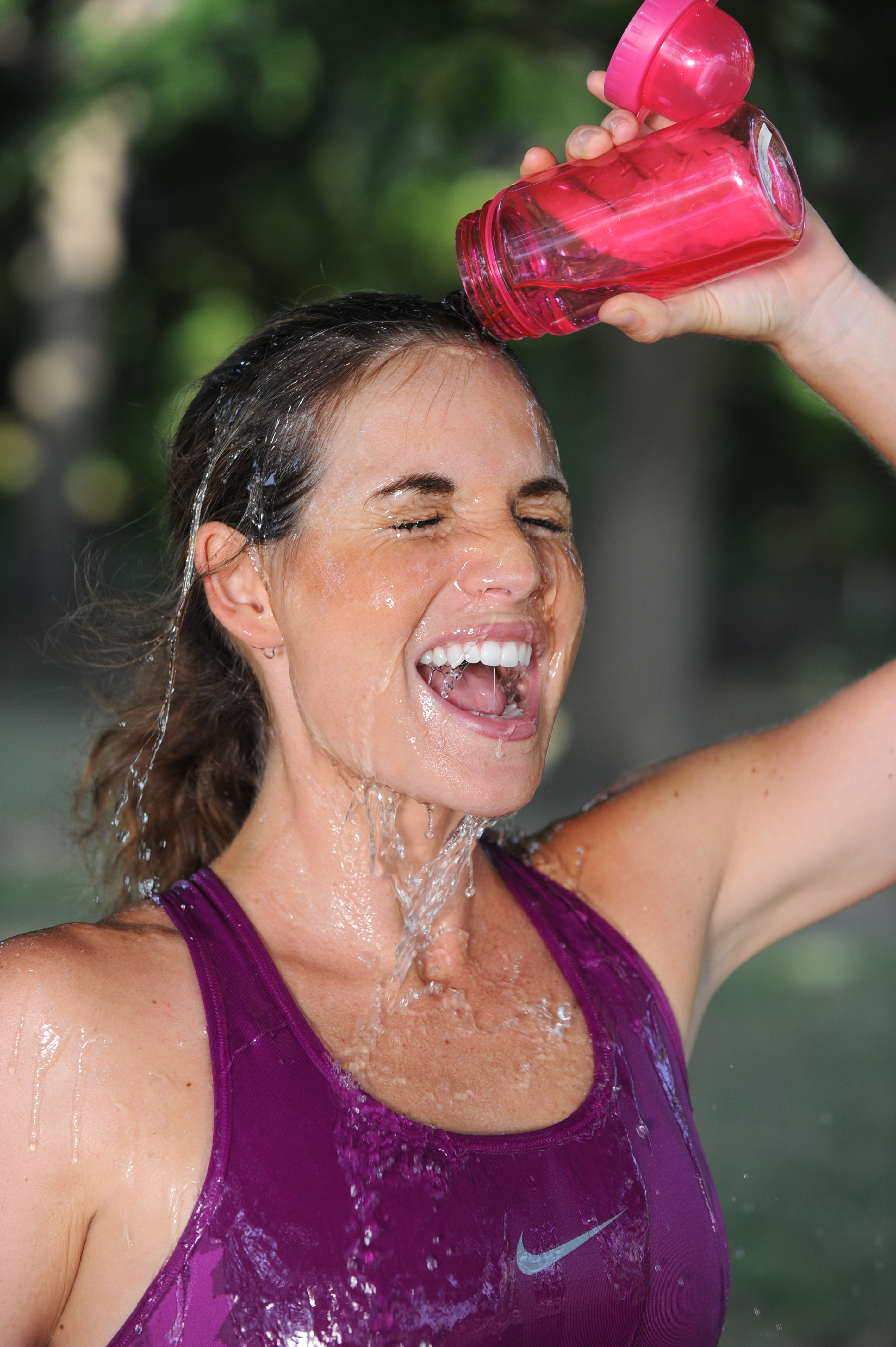
It take a few weeks for your body to acclimate to heat/humidity, so be patient and sweat it out.

Be prepared for your effort to produce a slower time than it would have in cooler weather. Don’t obsess over the number on your Garmin.

Gage your workouts on effort, instead of the numbers for a few weeks. You know what your 5K effort or Half Marathon effort feels like. Get your eyes off the watch.

Hydrate well before your run. Like I have mentioned before, you need to hydrate days/hours before a long or tough effort. Running in the heat is tough, especially for long runs or speed work. Drink often before your run.

Take hydration breaks during your run, but only small sips. Gulping water will leave you with a sloshing, unhappy tummy. If you go into the run hydrated, a few sips can keep you satisfied until your post-run refueling.

Refueling with gatorade or a beverage option with electrolytes will help you recover quickly. Bananas can also help ward off muscle cramps, thanks to potassium.

Wear light colored clothes, and be prepared to potentially chafe more as you sweat more.

Sun glasses and a visor can help protect your eyes and face from sunburn, harmful rays, and swarms of bugs.

Plan your runs around the weather, when possible. Summer storms often pop up quickly, and the heat index can be a helpful tool when trying to avoid sweltering temperatures. If you can get out there in the morning or evening, your body will thank you.

Know the signs and symptoms of heat exhaustion and heat stroke. These can spring up quickly, and when least expected. Look out for other runners, as you may end up helping someone who becomes sick.

Embrace the heat and sweat. There’s no avoiding it, so learn to love it.
Stretch It Out

I was recently requested by a friend of mine who is new to running to write a blog about stretching. Since I am here to help, I am happy to write a blog that will hopefully help and clarify your stretching needs and questions.

Runners often lose flexibility. This is because the activity doesn’t require a huge range of motion, and as your muscles, ligaments and tendons adapt and strengthen for running, they shorten and tighten. Interestingly enough, being super flexible can actually be problematic for runners, since loose and flexible body parts can lead to injury. Think about it, there isn’t the tightness/strength that tightness provides. Being too tight isn’t good either, as rang of motion can become limited and can lead to injuries too.

The happy medium? Stretch, but don’t go overboard. Forcing flexibility is never good, and is especially bad for runners. I have clients to swear by incorporating pilates and yoga into their weekly training – which is awesome. However, if you are in a yoga class five days a week AND running, you may need to be careful.

For those of us who are not avid yogis or dancers, here’s my advice for maintaining flexibility and keeping those legs mobile.

Always warm up before your run. If your run is easy, the run itself is enough of a warmup. If you are doing speed work, get those legs moving slowly for 5-10 minutes first. You do NOT need to stretch pre-workout. Some coaches/trainers believe stretching pre-workout is actually dangerous. Just food for thought.

Post-workout, cool down with a jog if you were running hard. Again, if you were running easy miles, a cool down is not necessary. Get in the habit of stretching as soon as you finish your run, as muscles will cool and tighten quickly.

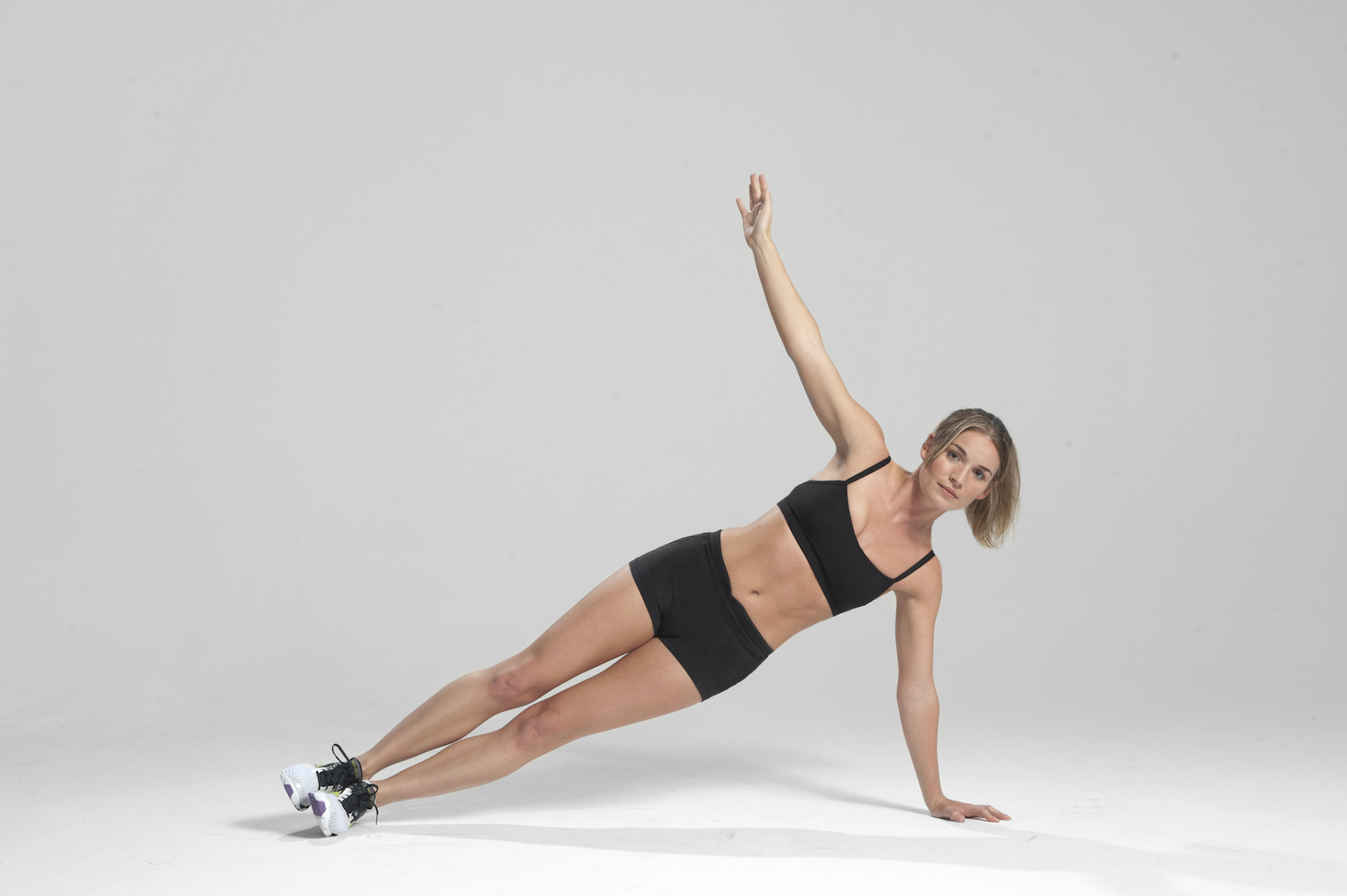
Target stretching these major muscle groups: quads, hamstrings, IT band and calf muscles/Achilles. If you need advice as to HOW to stretch, I suggest looking online, or I can answer that for you.

Don’t over-stretch. It shouldn’t be excruciatingly painful. Hold stretches for about 30 seconds, and do not forget to breathe!

While stretching, this is a good time to get some protein into your body. Refueling ASAP will help those muscles recover quickly, and can help ward off soreness. I’m a fan of chocolate milk or Greek yogurt. (See my previous post on Refueling!)

**** If you find you have pain in one spot (one hip, for example), you may need to pay attention to your running form, and potentially see a PT. Sore pain, which occurs after working hard and building muscle is a very different kind of pain compared to a tight IT band, hip pain, etc.

Coping with Burnout

Models: Pipko and Jasmina, Assisted by Jesse Rosenthal and Andrea HeapBurnout often comes from setting goal upon goal – and before you know it months (maybe years!) have gone by, and at some point you just don’t want to run. This is normal. Especially if you often train for the same distance, or the same annual races, and have little physical or mental change.

Take comfort in knowing that what you are going through is totally normal. Also tell yourself that maybe some time off from running will help. Whether you take a few days, weeks, or months, this time off is important. if you try to power through for the next six months, things often get worse. Taking the break NOW means you will come back mentally and physically recharged and refocused, and unless you stop all exercise, your fitness will not suffer much.

Find something else that you enjoy to do with your time. Yoga. Beach Volleyball. Swimming. Heck, it doesn’t even have to be active. Arts and crafts. Volunteer at an animal shelter. Just do something that mentally excites and interests you.

If you loved running before, you’ll love it again. And if you are worried about that hopeful PR on the horizon, relax. Autumn Marathon warriors still have plenty of time to take a break, and still build base mileage before the hard work begins. Remember, your training plan does not have to fit into the cookie cutter 16, 18, or 20 week sizes, though they certainly are popular. Adjust for what you need in order to get to the starting line mentally and physically ready to race. Perhaps a break from running is just what you need.

Them Feet

My babies.

My babies.

Let’s face it, runners rely on their feet for a lot. I remember once having nice, pedicured, lovely feet. Ah, those were the days.

It’s been years since I’ve rocked a french pedicure, or one that laster very long. These days I wear shoes for comfort and support, not for cuteness. The amount of sexy heels I have that spend most of their time in my closet instead of on my feet is probably a sin to most girls. But runners know: your feet are necessary to do what we do. We try to be “kind” to them, but at the end of the day we beat the crap out of them.

There are a few things we can do to protect and pamper those pavement-pounding puppies. First, let’s prioritize our shoes. Buying shoes because they are cute or on sale is a bad idea. Your poor feet don’t care what color or price the shoes you lace up is, but they do care about aches and pains. Buy shoes that are correct for your feet. Just because one brand works for your friend doesn’t mean they’ll work for you. Your feet are unique to you.

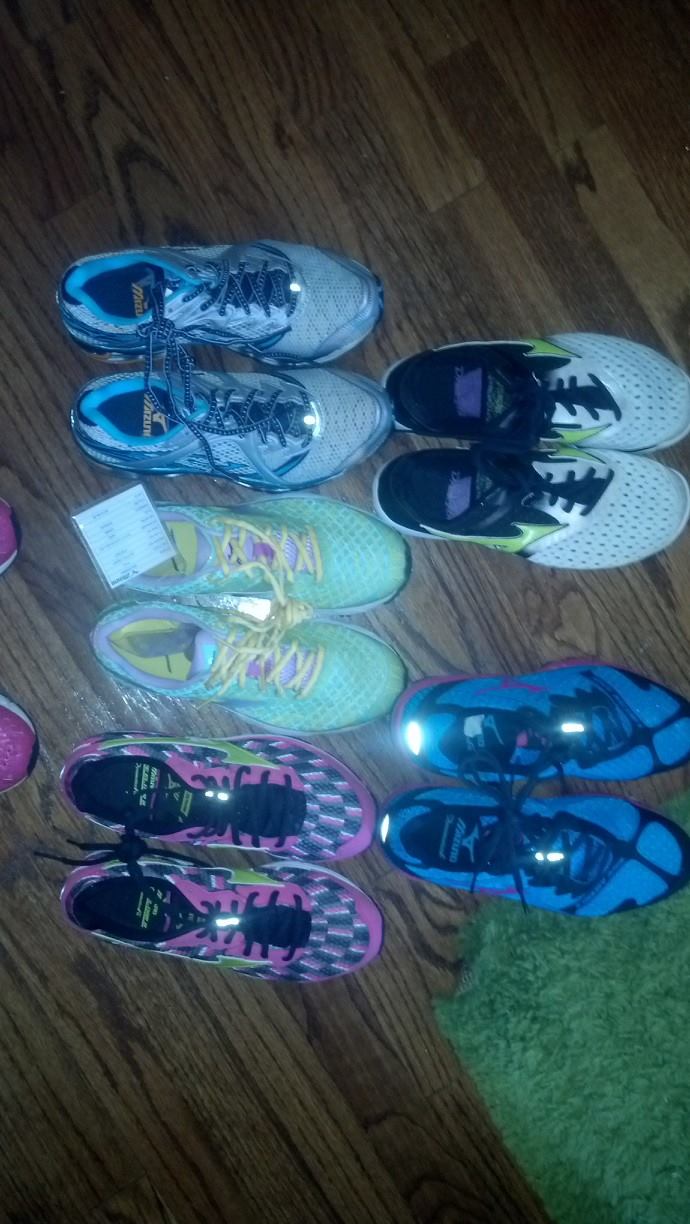
Keep track of your mileage, so you have a rough idea of when you should be replacing shoes. Most good shoes (not racing flats, btw), last 400-500 miles. Personally, I’m a fan of having 2-4 pairs of running shoes in rotation at all times, so that my body never “settles” and forms habits based on one shoe style.

When traveling and remaining stationary, compression socks may help your feet and ankles. My ankles and feet swell on long car rides and flights, thanks to very low blood pressure.

Ladies, avoid those cute shoes that have zero arch support. If you have plantar issues, it may be due to the shoes you are wearing when not running. High heels don’t do your feet or calf muscles any favors either.

Soaking your tootsies in warm water and/or Epsom salts can also help.

Keep your toe nails short. If they get too long, they can actually cut into your toes on long runs.

And, for God’s sake, do NOT run in cotton socks. Blisters are painful, and can cause infection. If you run under 30 minutes at a time, you might get away with cotton socks. Try cotton socks on a 15 miler in summer, and you will be in trouble. Am I clear on my view of cotton socks? Good.

Veggie and Fruit Monster

img_6337-editMost people are unsuccessful at weight-loss for different reasons, though a common trend is diet. Often people think they must starve themselves or give up everything yummy, and end up bingeing after a given time of sacrifice.

Tired of that cycle? I don’t blame you, it’s a bad cycle and one I fought for a long time. What worked for me, and what I recommend to those looking to lose a few pounds is not focus on what you “can’t” have, but to instead focus on what you should be eating. Nobody likes to be told what they cannot do, and the same is true when it comes to our food choices. Therefore, if you focus on what you should be adding to your diet, you aren’t actually depriving yourself of anything.

I am a firm believer in the consumption of fruits and veggies. In fact, personally, I try to eat at least ten servings per day. If you focus on getting those nutrient-packed fruits and veggies into your meals everyday, you’ll be surprised how little you will be craving all of the other stuff and how full you will feel. Combine all of those yummy fruits and veggies with the amount of protein and complex carbs you’ll need for fueling and refueling for your workouts, and you won’t have room for much else.

Find fruits and veggies you like. Pack fresh veggies in a bag to take to work as a healthy snack at your desk, or pack a couple pieces of fruit. Saute veggies if you want a hot meal, and mix it up. Eating salads everyday can get boring, and all of the added “goodies” on a salad can add a lot of fat and calories without realizing it. Salads don’t always equal “healthy.” Sweet potatoes are an awesome complex carb, full of all kinds of nutrients.

Adding fruits and veggies to your diet, regardless of goals, will make you feel better and energized. Whether you are completely happy with your physique and athletic performance, or looking to improve, fruits and veggies can be your secret weapon. Bonus: they will also keep your immune system strong.