Go, Go, Garmin Gadget!

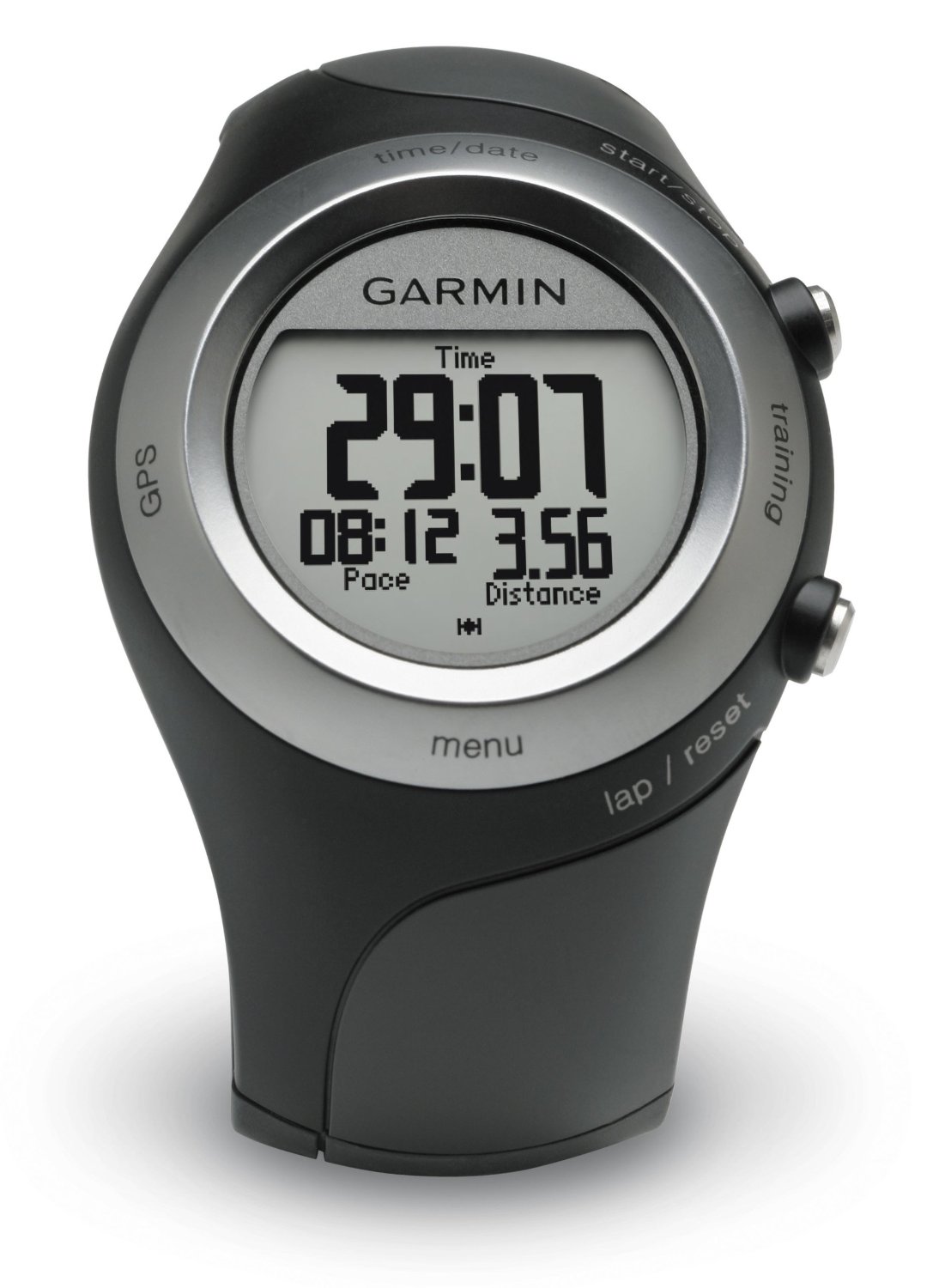
81J8WsZmJoL._SL1500_When I first started marathon training, I bought myself a Garmin 405. With a time-specific goal, I wanted a tool that would keep me honest, accountable, and aware of my progress. At the time, a $300 “investment” in my training seemed a bit steep. I was a full time actor in NYC, and when you don’t know when your next paycheck will arrive, or if you’ll even love running marathons, $300 was quite the expense for my running quest.

Since that purchase in July 2010, my trusty Garmin has gone through a lot. Humid summers, rain showers, snow and ice storms. Training in NYC, Philly and LA. Races all over the country. Thousands of training miles, dozens of marathons, half marathons, and countless other races. Moments of pure bliss and triumph – big PRS, overcoming what I thought was possible, and some wins. Moments of complete agony – injuries on race courses, DNFs, the trauma of the Boston Marathon in 2013 – My Garmin was there on my left wrist for all of it.

All of those miles have turned my once perfect and shiny Garmin into an old, weathered-looking device. The band has been held together with black tape for months, and there have been times where the device has completely malfunctioned, or rebooted mid-race. But like a trusty friend, these errors were forgiven.

Sure, newer models have come and gone within the last few years. Friends have tempted me to upgrade, but why? My Garmin worked just fine. Call me old fashioned, but why replace something when what you have does quite a good job? But over the last few months, it became clear that our daily journeys were going to have to come to an end.

With mixed emotions, I recently purchased a new Garmin – to 220. Part of me was excited. A new running toy, oh boy! It’s pretty and purple, and has new technology my old 405 couldn’t dream of! This new Garmin can literally be a tracking device – which is awesome for safety reasons but also means that I’ll always have a back-up tracker at races – which is pretty darn sweet! The new model does a done of other new things, that I have yet to fully explore.

While my old 405 will be “retired” as far as daily responsibility, I’ll be holding on to the old guy for as long as he decides. He’ll be my backup buddy for my Ultra in July, and will be swapped in when the new Garmin needs to be charged. I’m sure he and I will still go on other journeys too. I know my watch is an inanimate object, and so to be attached to the old ticker is silly. But the person and athlete I have morphed into during my journey with that piece of technology is unbelievable.

Which made me think – do you have a training device or tool that you have stuck to for years? Any part of your running ensemble that you feel incomplete without? If you have never run with a watch, I recommend it. Sure, you can drag your phone along with you and use a running app, but I love that I don’t have to carry a heavy device, my hands are free, and I have some time to myself that isn’t interrupted with emails, phone calls, updates, etc. from my phone. I encourage you to look at all your options. There are dozens of brands out there, and devices that cater to different kinds of athletes.

I should probably mention here that I have no incredible loyalty to the Garmin brand. I am not sponsored by them, and am only writing about my watch because it was meaningful to me. Personally, I go to different brands for different things. I have never found one brand that fulfills my every need as a runner. my watch is a Garmin, my shoes are Mizuno, my sports bras are Nike, most of my apparel is a mix of different brands – chosen based on how they fit me and feel, not on the logo. But hey, if the folks at Garmin want to sponsor me, I wouldn’t object!

Looking back, I’d say that Garmin 405 was the best $300 I’ve spent in a long time. I’ve certainly gotten my money’s worth!

Staying Motivated

img_8482aweb-320x444Its the time of year where many people find themselves in a rut. Perhaps Winter has been grinding on you with arctic blasts, or you’ve lost the momentum you charged into 2014 with back on New Years Eve. Fear not, I have a few suggestions and tips that can get you out of your rut and having fun!

Consider signing up last-minute for a local race. Hopping into an event with no expectations but to have fun and see what happens mixes up our routines. You may surprise yourself with your fitness level, and cross the line with a PR! You may also find the company of a couple hundred fellow runners reignites your reasons for running. With weather being unpredictable, signing up last-minute also means you can pick and choose your race with the forecast in mind. If nothing else, a short race is a great speed workout.

Perhaps you don’t want to participate in an event as an athlete but still want to be involved. Volunteering always feels good, and you’ll be greeted and thanked by the warriors on the course. As a volunteer, you’ll see every runner go by – from the speedy leaders to the back of the packers and everyone in between. If seeing folks of all shapes and sizes out there pushing themselves to the best of their abilities doesn’t motivate you, I don’t know what will.

I love grocery shopping. I find that if my nutrition habits start slipping, heading to the store and stocking up on healthy options makes me excited to cook and eat yummy things! Looking for new recipes and trying them out is always fun.

Arrange a social event with athletic and fit friends. The social event doesn’t have to be athletic at all. Being around positive, supportive and active people can motivate you to get back to your routine. If fitness and/or training comes up in conversation, reach out and ask for support. Having a running buddy or fellow gym-goer makes the commitment one thousand times easier! I promise that your friends have all gone through training ruts at some point themselves. They won’t view you as weak, but simply as human.

If you have a goal race or fitness goal on your calendar but feel unmotivated to train, force yourself to figure out why. Denial is common, but doesn’t fix anything. Get real. Perhaps this isn’t the time to be committing to a race and you should bag the idea until a later date. Perhaps your diet goals were simply too ambitious but can be tweaked to guarantee success in the big picture. Maybe you need to reconfigure your schedule to make time for training. Sometimes watching a running movie or going to a race website is enough to get your training mojo back. Whatever you do, take an active approach to figuring out why you are in a slump.

We all fall off the wagon now and then. As long as we get back up, we are back in the game.

“HOW TO START RUNNING NOW: 7 TIPS TO GET YOU ON YOUR WAY”

img_6834-editA few weeks ago I was interviewed for Bustle.com‘s article on tips for getting started with running.

I thought some of you may perhaps benefit from some of the questions I answered.

If you are new to running, perhaps you have found other tricks and tips that have worked for you! While we are all different, it’s important to always begin slowly and to build mileage gradually. Before you know it, you’ll be running harder and further than before!

Have a tip I didn’t mention in the article? Please share it with the class in the comments!

Judging by the Cover

img_8430-231x348In a world where we are all constantly judged on our appearance, sport is a world where what you look like means absolutely nothing. Sure, runners are generally thin people, tennis players develop large and explosive muscles, swimmers have broad shoulders, and basketball players are tall and agile. These are generalizations, of course. While all of these sports require different ideal body types for outstanding success, not every basketball player is tall or every runner thin.

The cool thing about sport is that the person next to you can surprise you. I learned quickly to never judge the people in my race corral based on their physique, age or gender. I have watched beautifully fit looking runners struggle, and I have been passed by men with beer guts. I’ve sometimes been told that I don’t look like a runner. My response is that we all come in different shapes and sizes. No, I certainly do not have the large power muscles of a sprinter because guess what – I am not a sprinter. And no, I am not 10% body fat like elite female marathoners, but I am also not an elite marathoner.

One of the things I love about running is that when you race, it’s between you, the clock, and the runners around you. What you look like means absolutely nothing. All that matters is running hard, fast and smart. Doing your best beats out looking good. Sure, I would like to look good crossing the finish line, but if I look like hell and am beating every other female out there, then I suppose what I look like doesn’t mean a thing.

Ironically,  most sports magazines don’t even have real athletes on the cover. Why? Because they are selling the “ideal” type of what they think the reader will buy. Take a popular running magazine, for example. Most of the folks on the covers run, but they aren’t athletes. They may run 10-15 miles per week, but they are also doing a ton of working out to look like models. Most aren’t racing, or training for a marathon. However, they are what runners who buy that magazine strive to look like. I don’t know about you, but that’s just one more slap in the face of what we are “supposed” to look like versus what we do. This is true for most athletic/fitness magazines and ads. The only real athletes ever on the cover of said magazine are the elites who are Olympians. They are household names in the running community and therefore grace the cover and pages at times. Do you think those elite athletes would make the cover if they weren’t seriously accomplished and running celebrities? Not a chance. Those athletes wouldn’t book the shoot. And you know what? Every person on that cover is photo shopped. No wonder we have complexes! And yes, sometimes there IS a model who is a serious athlete who kicks butt at their sport, but that happens far too rarely.

In a world so obsessed with image and judgement, I find race culture to be simple, accepting, and refreshing. To me, racing is about going out there and doing my best. It’s not a beauty pageant. As a female, that’s liberating. I don’t care if my body type isn’t “ideal” compared to the next gal on the beach in her bikini. My body is the physique it is because of what I do with it. I am an athlete and my body is my instrument. If I wanted an “ideal” body, I probably wouldn’t run the way I do. I also wouldn’t eat the way I do. But you know what? I’m happy with what I can train my body to do, and I love that food is my fuel.

When I hear women talking about their body and self-worth, I feel so sad. I want to hug those women, and then take them out for a run. Why? Well because running is fun. And you always feel better after running. And it feels amazing to stop viewing your body as something being judged and instead to view it as this unique, individual gift that you alone were given. I want to tell those women to stop reading tabloid magazines, and to instead focus on their happiness. The minute you stop being your own worst critic and choose to not care about being judged, you’ll feel free. I don’t know about you, but when I run, I feel free and capable of anything. Yes, even with imperfections we are all capable of being strong, happy, healthy people.

I challenge you to take note of who is in your next race corral and see if you make automatic judgements about the folks around you. Then play a game and see if your first impression turns out to be accurate or not. You might be surprised. And you will probably surprise somebody around you too.

Winter Warrior

img_6789-editUnless you live in Southern California, you are probably aware of how cold this winter has been. Inspired by the “Polar Vortex,” here are some tips for how to train outside as safely and comfortably as possible.

Training for a spring race (especially a marathon!), fitness goal, resolution set back on New Years Eve – often requires getting out of the gym and into the fresh air. If conditions are dangerous – icy, deep snow, high winds – sometimes heading to the gym or taking a rest day is the smart decision. However, if you can stomach the temperature, here are a few tips that can make your miles as safe and comfortable as possible under the given conditions:

  • Hats and gloves are a must. You lose heat from your head, which is good in summer but bad in Winter. Keep your head covered, and you’ll hold onto your heat. Hands and feet will quickly lose heat, as your body will work hard to regulate your core temperature, pulling blood away from your hands and feet and directing it towards your core. Gloves and compression socks can help you feel better and reduce the risk of frost bite.

  • Adjust your pace for extreme temperatures. Just as I’ve mentioned in the past that extreme heat has an impact on athletic performance, the same is true with extreme cold. Because your body is working hard to regulate your temperature and work hard to meet your demands, your body and brain won’t function as well as they would at 50-60 degrees. It’s best to run by feel and effort instead of focusing on your pace.

  • Breathing hard in cold climates can be hard. Again, you are sucking in very cold air into a body that is comfortable at 98.6 degrees. Warming up and cooling down is always important, but in Winter it’s even more crucial as it will give your body a chance to ease into your workout.

  • Do not wear cotton. Running in cotton can be unpleasant, but is also dangerous in Winter. When you sweat in cotton, it dries very slowly and pulls your body heat out of you. If you must run in cotton, get out of it as soon as you are finished your workout. Hypothermia and other dangerous things can happen if you are in cold, wet cotton.

  • Wear compression/sweat-wicking gear. Yes, Winter running gear can be expensive. I feel your pain. But if you plan to train through days that don’t go above 20 degrees, you need to invest in proper gear. It will make a world of difference.

  • Wearing layers can be great. As a general rule, dress for the current temperature +20 degrees. When running, your body heats up and “feels” like its about 20 degrees warmer outside than what the thermometer says.

  • In extreme conditions, like when it’s 5 degrees and you are out running before the sun comes up, hand warmers can be useful. I sometimes stuff them in my gloves, or in my compression shirt on my back if I am coaching and not running the whole time.

  • Upon finishing your run, drink or eat something hot – like soup or hot cocoa. Personally, I like to make chocolate milk and heat it on the stove. Warming yourself up from the inside feels pretty awesome. Pair that with a hot shower, and you’ll feel great.

  • If you can plan to run at the warmest time of the day, that can certainly help. While not everyone can plan their work and life schedule around the weather and training, if you do have the ability to duck out of work for a long lunch break, that can make Winter training a bit more bearable.

  • Watch for icy patches on the road or sidewalk. Wiping out could lead to injury, which is never good. Keep your eye on the path in front of you, and take short, quick steps – making it easy to navigate icy patches.