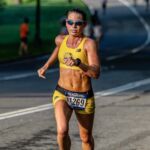
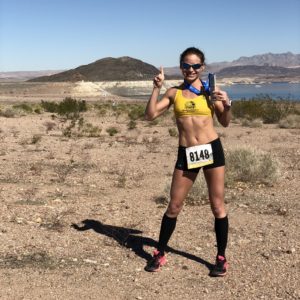
 This past weekend I stepped up to the starting line of my first of two big goals for 2018. After an amazing experience at Saints and Sinner’s Half Marathon in 2017, my big goal for early 2018 was to return and improve my time. Last year was an experience I could not have predicted in numerous ways – a 6+ minute PR following a day in Urgent Care after Chris broke his ankle on a slick shakeout run in the rain on the Strip – the trip was anything but what I anticipated. It’s safe to say race morning last year surpassed my expectations.
After crossing the finish in 1:21:13 in 2017, I set my sights on a 1:19:59 finish this year. Unlike 2017, I knew I’d be fighting hard for every second this time round. With clear skies and no broken bones on Friday, Saturday morning Chris and I were both ready to run. Going into this race goal, I worked my ass off with the course in mind. Mileage-wise, I ran about what I usually do while marathon training – 45-55 mile weeks – with a good 5-6 hours of lifting heavy in the gym. I’ve accepted I’m not a high mileage athlete, and focused on quality over quantity, rest, nutrition, and strength.
Weather on race day was pretty great. Sunny and cool (though temperature rose about 10 degrees during the race!), no breeze, and clear views of Lake Mead. The only surprising disadvantage to sunny and dry weather: miles 6.5-10.5 is a gravel course. Last year in light rain, the gravel was a bit more compact. This year I felt like I was really working on the gravel miles!
The first 6 miles are incredibly fast. Mile splits: 5:42, 5:52, 5:49, 6:17, 6:02, 6:07. Then you hit the gravel, the longest uphill portion, and run through numerous tunnels, which also tends to throw the GPS a bit. Chris’ watch says he ran 15 miles. Mine says 12.92. Other runners had slight variations on 13.1. This meant that it was incredibly tough to do the math in my head for the final 2.5 miles (off gravel and fast finish), and while I knew a PR was there, I couldn’t figure out how close I’d be to 1:19:59. When I saw the sign marked “1/2 mile to go,” I glanced at my watch and knew that I was going to miss 1:19:59 – but not by much.
Official stats: First female, fourth overall. 1:20:07 chip finish.
Despite the net downhill, I’d be the first to admit that this was work from start to finish. In the first few miles, my stomach felt oddly unsettled. Thankfully it settled down, though sucking down my GU was the last thing I wanted. Then it was the pain train simply because of my goal and how hard I was working. I worked through a whole lot of discomfort. I did my best to take the positive energy from the adorable youth volunteers handing out water at the aid stations, yelling “FIRST GIRL!!!” and the good vibes from dozens of runners on the out and back portion of the course. Mentally, I told myself that discomfort comes with a PR. That there’s so many people wishing me well on the course, back home, via social media – to dig deep and stay strong. Unlike last year, I was alone for the entire race. It’s easy to get in your own head. That’s something I’ve been working on, and will certainly set as a focus for my fall marathon.
The really cool thing about this past weekend – all three top females achieved PRs. Michelle, who finished second, is a fellow New Yorker, and the CEO/founder of Urban Savage Activewear. She signed up for the race because I’d mentioned it to her months ago while we were doing a shoot for her brand. Rebecca, who finished third, heard about the race because of the recap I wrote last year. Small world.
While I was 8 seconds shy of my goal, I am choosing to focus on the positives. I had a PR by over a minute. My left heel, which caused me some issues last year, felt 100% from start to finish, and has given no indication of discomfort in the days post-race. Could I have made up those 8 seconds somewhere? I don’t know. Physically, I’d like to think there was a little more left to give. But mentally, I was exhausted by the finish and doubt I could have given more of myself. Post-race, my legs are quite sore! Far more sore than after Frankfurt Marathon. I’m definitely feeling those hills in my calves, quads and glutes.
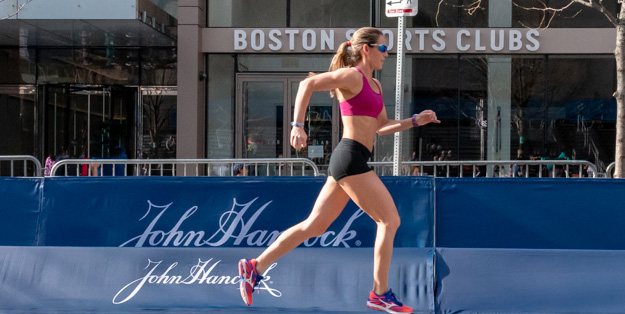
This week I plan on giving my body time to really rest and recover. I haven’t decided when I’ll clock an easy run back. Boston is waiting in the wings, but I am not going to let that change my recovery strategy. The lesson I’ve learned the hard way, and one many runners at some point learn – we cannot rush recovery. We are most prone to injury after a hard race. I am intentionally not racing Boston this year. I’ll run it, but the clock isn’t my focus. In fact, I don’t have any solidified race goals now until October. I’ll toss in some races. But it’s impossible to assume we can race well frequently without the big risk of injury or physical/mental burnout.
Perhaps the thing I am most proud of isn’t the new PR, but that I’ve cracked the code with how to coach myself well. There’s a reason most coaches don’t coach themselves. It’s a challenge to wear both hats simultaneously. But I know my body better than anyone’s. And I’ve been able to honestly access my physical and mental strengths and weaknesses. There are days where I stumble. But using Pfitzinger’s book with some slight modifications of my own got the job done this past weekend. I’m stronger, leaner, and faster at 34 years old than ever before. Part of that is dumb luck. Some of it is genetics. Some of it is simply training incredibly well. And of course some of it is race strategy – picking specific races for reasons. Set yourself up for success. There are no guarantees, but you can do things to better your odds.
Big thank you to the race organizers, volunteers, and fellow runners for making this past weekend one for my record books. And like anything, it takes a village. I’m filled with gratitude for the support in my life. Queens Distance Runners team mates, friends, coworkers at Mile High Run Club – so many supportive words along the training journey, not to mention texts, emails, and well wishes sent via social media. Special shoutout goes to Chris. I’m not the easiest person to deal with on race weekend, especially goal races. Over the years he’s learned to just let me be a little intense, and to roll with the punches.
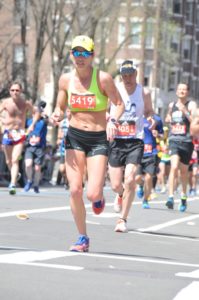 The new year is on the horizon, and you have decided you are going to take up running! Great! Here are some tips to help you ease into a new sport carefully, so that you reduce injury risk, build as a runner, and have fun. Be patient and remember to accept that you can’t be an expert in anything overnight. Enjoy the journey and learn from your experience.
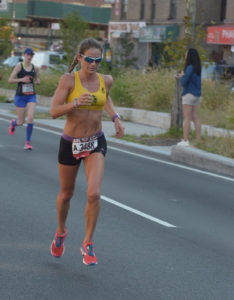 Races that go well and exceed every expectation make running feel so incredibly liberating. They are satisfying, empowering and simply fun. It’s these races that usually motivate us to keep signing up and racing.
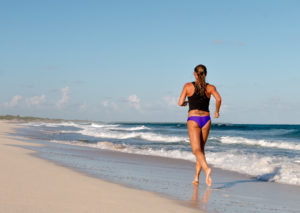 Before you decide to be a “streaker,” pause for a hot second and ask yourself WHY? This time of year, running streaks are very popular. It makes sense. It’s getting colder, its often dark, peak goals are in the past, and runners are looking for motivation or accountability to be active. Toss in social media, and most runners will decide to commit to a streak without a second thought.
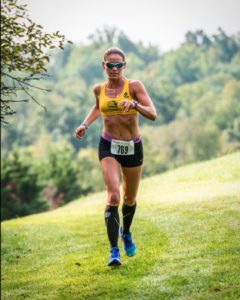 Last week I posted about the importance of the off season. Today I want to personally share how I handled my off season, and what lessons I learned about myself as an athlete in my latest marathon cycle, and how I’ll plan to make changes in the future. It’s important to understand that our bodies will adapt and change to anything we toss at it – with time, consistency, and a solid combination of work and recovery. It’s always easier to be the coach than the athlete, and I’ve worn both hats for myself for the last few years. While I know my body and my strengths and weaknesses, it’s not without its challenges.