Coping Post-Boston

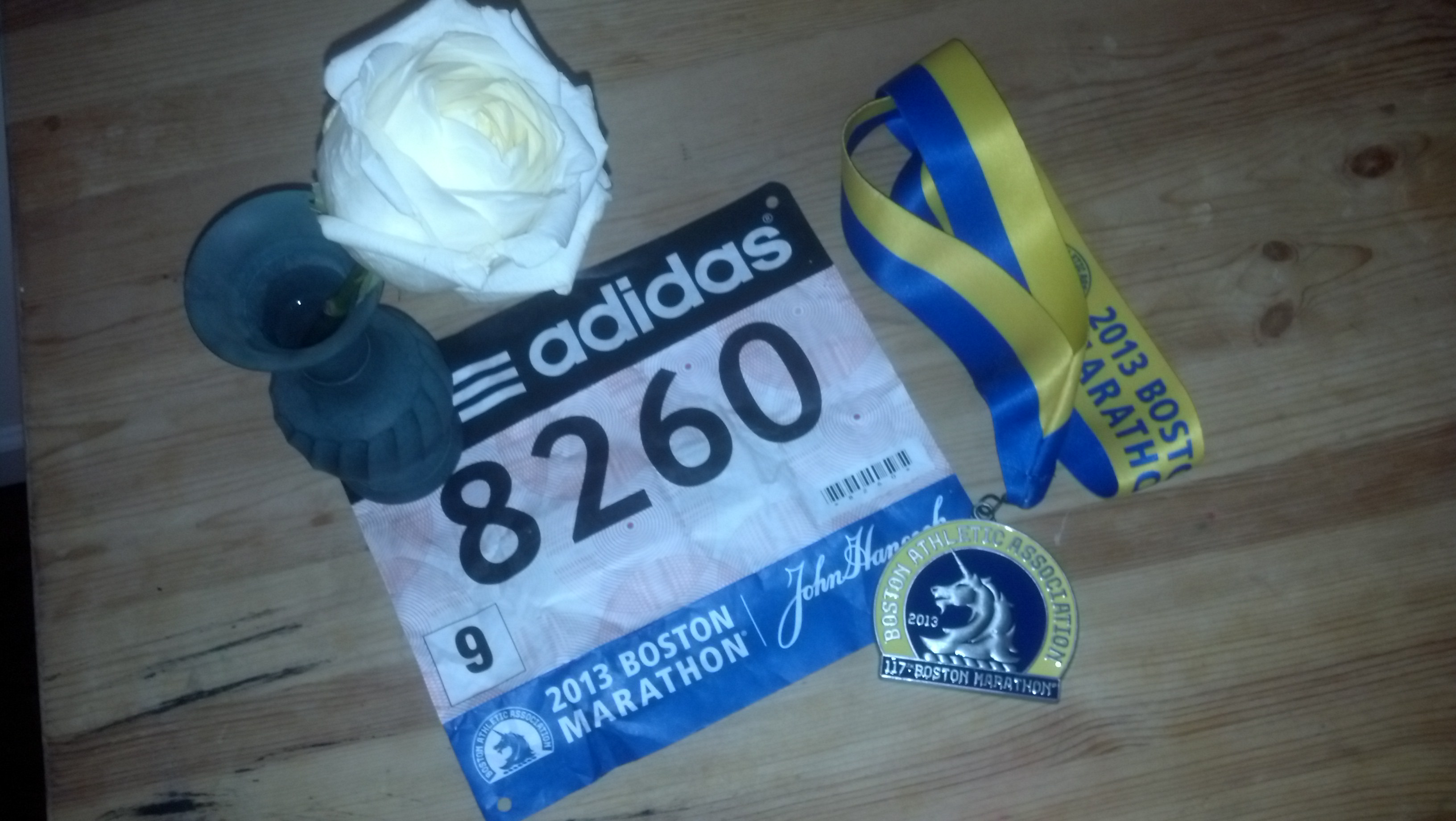
A race I will never forget.

A race I will never forget.

One of the many reasons I love running is that I often clear my head, sort out problems, and work through emotions all while out there clocking my miles. While quality workouts take focus, those easy days of junk miles are my time to check in with myself.

Since the Boston Marathon, I have struggled with my relationship with running. Some days I refuse to run. Other days I break down and cry while running and cut the workout short. Sometimes I feel great and smile from ear to ear out in the park. It’s a mixed bag. I suppose these varying emotions are considered normal, but I don’t like them.

Just like I don’t like the sounds of sirens, or fireworks being shot off right outside my window at all hours of the day or night, or loud noises, or people running towards me, or large crowds of people – I have to deal with them. In New York City, life is always loud and crowded.

Besides all of the flashbacks, panic attacks, insomnia, and other symptoms of PTSD, what upsets me the most is my lack of enthusiasm for the activity I love most. I hate that running is sometimes something I emotionally cannot handle. The day of the Boston Marathon, while many of us lost our sense of selves, safety, and faith in humanity and all that is good, I also lost that lovely, innocent relationship I had with running. I want that back so badly.

In the weeks since Boston, I have pulled away from lots of people – especially in the running community. The person I was before Marathon Monday only missed team practice if there was an unavoidable work conflict. Now, I find any excuse to not attend. Track work used to be a challenge I rose to face. Now, I get defeated the minute I set foot on the lovely, soft rubber. I dodge the topic of Boston when asked by friends, family and strangers alike.

The Runner’s World Magazine issue dedicated to the Boston Marathon attacks – I cannot even open it. I don’t know if I ever will. The people who dedicate a race goal to the Boston bombings, or the organizations who used Boston as a platform for their own benefit – I want to punch them in the face. The horror and pain experienced by those who were there, right at the bombings, that doesn’t vanish the way the news stories on tv do.

So today on my run I evaluated all of this, and reminded myself that sometimes all we need is time. And help. I wish I had the answers to bounce right back to the person I was that morning in Hopkinton, before my life changed.

How do I get my unrequited love for running back? How do I turn myself back into the fighter I was before Boston? How does one set sights on a goal marathon PR, and attack training and race day without fear or hesitation? I guess I am going to find out.

Nothing can be worse than my reaction at the Brooklyn Half Marathon, and so I can only go up from here. (Note I never wrote a blog about my Brooklyn Half experience. I figured a blog that was chalking up a race full of panic attacks, vomiting on the course, and despising every step wasn’t worthy of a blog entry).

As a coach, I suppose I can use my struggles to help others – which is the only silver lining from all of this. We runners are strong, stubborn individuals. Whether you run for fitness, fun, or speed, we all love it on some level. If we didn’t we wouldn’t put in the work. The love for the sport is the thread we all have in common. I want that love back.
In-Season Noshing

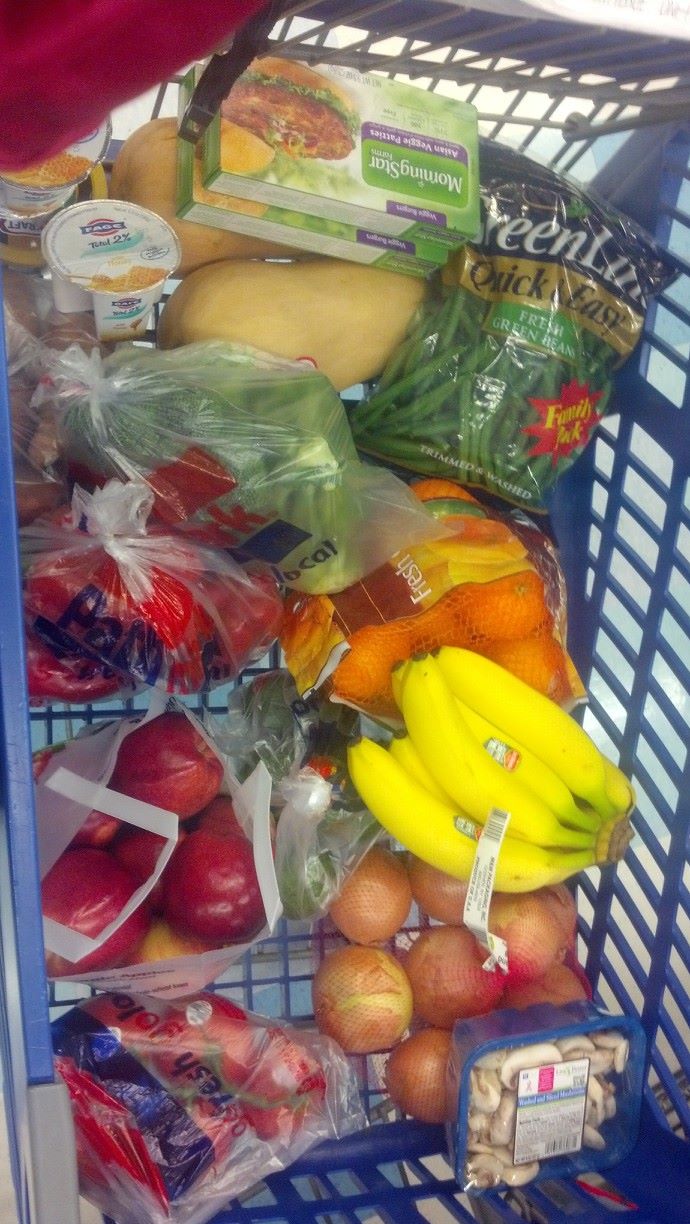
1400673_502331099862528_1688462209_oI don’t know about you, but after a sweaty summer run I crave fresh fruits and veggies. I often visualize a big bowl of blueberries or pineapple, or a giant slice of watermelon.

The lovely thing about summer running is that these cravings are happily met when I get home. This time of year, I stock my kitchen with all kinds of in season treats. Strawberries, blueberries, watermelon, big salads – the list goes on.

I often wash and prepare a big bowl of seasonal goodness before I run, so that when I get home I can dive right in. The bonus: fruits and veggies offer tons of nutrients that runners need, and are also a great way to rehydrate. Yes, I still have a tall glass of chocolate milk and lots of water, but consuming fruits and veggies aids rehydrating too.

A go-to snack this time of year: fresh mozzarella sliced with basil and red tomato slices. Add a little salt and pepper, and you have a fresh, nutrient-dense party on a plate!

Go out to the farmers market or store near you, and stock up on nature’s delights. I promise you that you won’t be sorry. Extra bonus? If you are trying to cut down those sweet temptations, some fruit is a great way to satisfy those cravings.

Caloric Cocktails and Naughty Noshes

In honor of summer, and the many garden parties, social events, happy hours, vacations, and other celebratory events on your calendar, I have decided to write a blog in honor of the lovely cocktails and noshes that we will all be consuming.

Many people sabotage their diet plans and weight-loss goals without knowing they are doing it. Social gatherings alway involve food and drink, and can cause a person to feel in a bit of a trap: how to partake in social events without completely sabotaging a weight-loss goal?!?

Fear not, I have a few tips to help.

Avoid fried foods. Yes, they are delicious, and very popular at social events. They also pack an extremely high caloric-punch. Stick to non-fried alternatives and you can eat more while consuming fewer calories.

Beware of cheese. This one makes me want to cry, since cheese is one of my top five foods. If you aren’t looking to lose weight, I say go ahead and have your cheese. If you are looking to drop some weight, avoid cheese. You don’t know how much cheese went into that yummy, melted dish, and knowledge is power. If there are cheese slices out, you can eyeball what an ounce is, and indulge a *little.*

Avoid “salads.” chicken salad. Potato salad. Lobster salad, yada, yada, yada. Why? These summer staples are often loaded with mayonaise and/or sour cream, which are extremely high in calories and fat. If you choose to have some salads, be honest with how much you are eating. One cup of chicken salad can easily pack 400-500 calories. One cup. Yeah.

Avoid sugary cocktails. I love a good pina colada as much as the next gal. Margaritas are delicious. Mojitos? Divine. If you are watching your figure, don’t have any of them. One margarita can pack 400-600 calories. One cocktail. Do you know how many vodka cranberries or glasses of wine you could consume for those same calories? Try 2-3. look, if you want to have one sugary cocktail it won’t completely ruin your diet goals, but combine that margarita with fried mozzarella sticks and a cup or two of chicken or potato salad, and you start to see the whole picture.

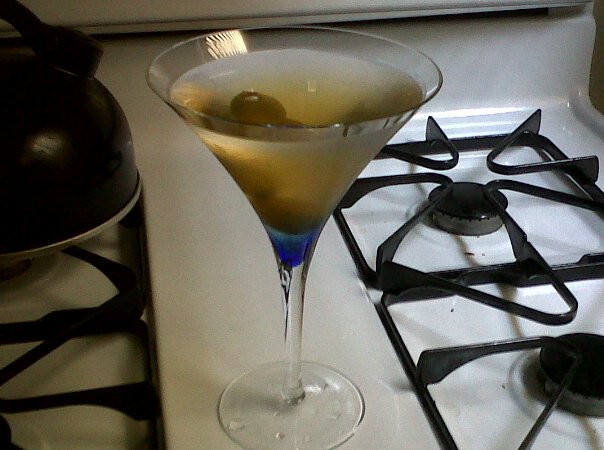
What should you indulge in while at your dozens of summer social events? My advice: for beverages, stick to wine, beer (careful, a 6 pack of beer is over 1000 calories!!!!), martinis, rum and diet coke, vodka cranberries – cocktails that contain 150-250 calories per drink. That way, you can still partake in the party, but at a fraction of the calories you’d consume if you have the same amount of margaritas.

For food, stick to what’s raw. Veggies and hummus. Fruit salads. Cheese slices (remember, you can keep an honest eye as to how much cheese you are nibbling), tossed salads, grilled chicken.

251443_660133989274_8009646_nI know it’s hard to “behave” while most friends will be loading up their plates without a care in the world, but remember the big picture. You have some sort of fitness goal, which is way more important than that damn tray of mozzarella sticks, right? Think of that number on the scale, that target dress size, that string bikini, that goal race – whatever your goal may be.

I’ll raise a martini glass to you, being fit and fabulous!

When to take a day off

Runners and fitness enthusiasts, in general, are overachievers and type-A personalities. After all, these road and trail warriors sign up for races months in advance and stick religiously to a training schedule. Freezing cold? They’ll bundle up. Raining cats and dogs? They’ll embrace the soggy shoes and enjoy skipping through puddles. Gym crowded after work? They’ll come back and 10pm to get  that quality arm day in.

This dedication is what makes these overachiever type-A’s successful at achieving their goals – whatever they may be.

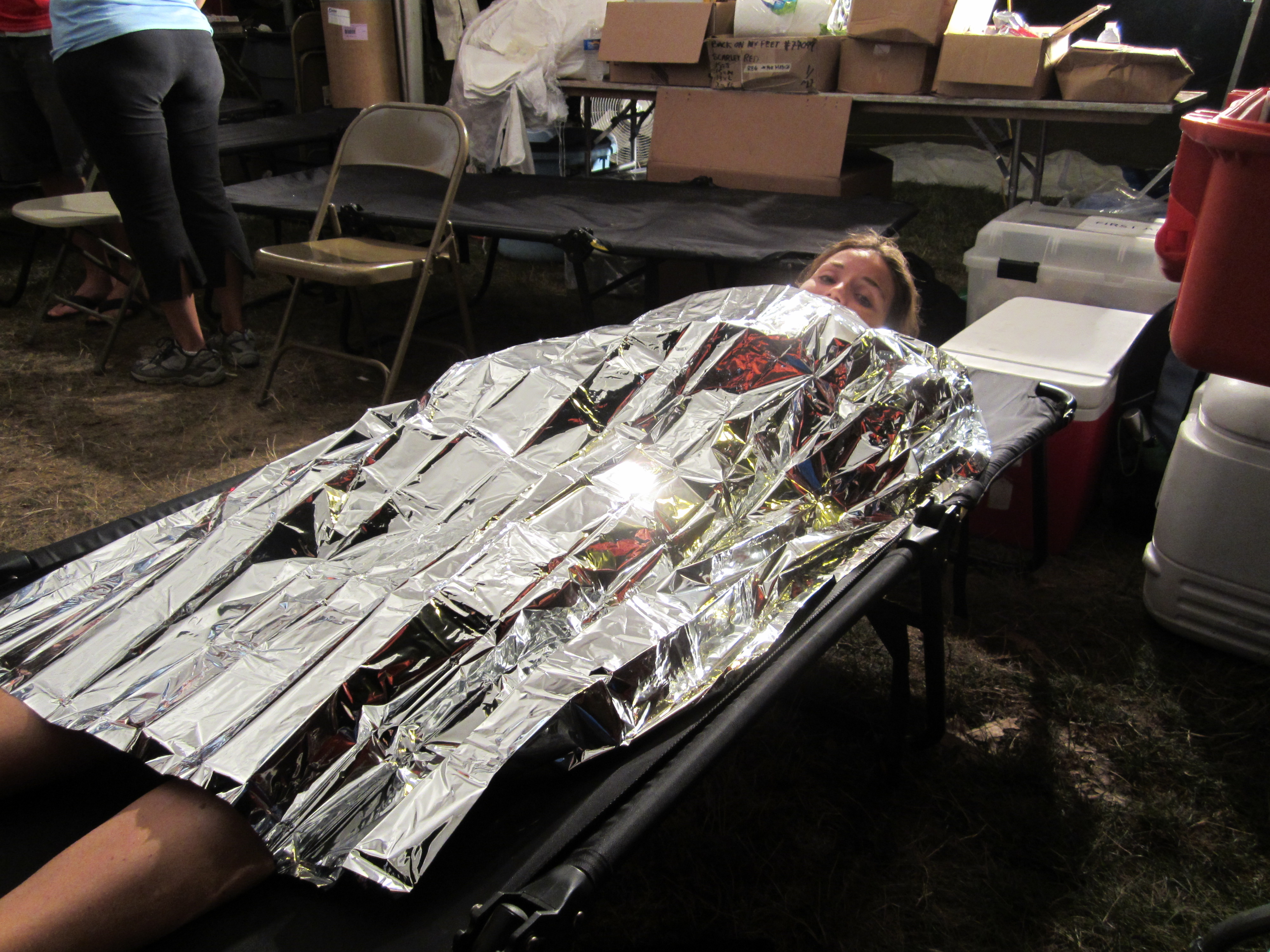
Medical Tent, after 68 miles of the Lone Ranger Ultra Marathon. Athletes push when they shouldn’t. Myself included.

Medical Tent, after 68 miles of the Lone Ranger Ultra Marathon. Athletes push when they shouldn’t. Myself included.

The downside to this driven, dedicated personality is that often that person doesn’t know when all signs point toward a rest day. Often the scheduled workout on the calendar trumps an achy knee, a head cold, or a sleepless night.

When should we suck it up and power through and when should we take some quality time off? The answer isn’t always simple. There are lots of factors, like how close are you to race day, a fitness competition, etc.

Things you can probably power through: sore muscles (not INJURED, but sore), lack of sleep, less than ideal weather. Being sore is part of the process while getting in shape, so you cannot take time off every time something hurts. Having a “easy” workout the day after a hard one is best. Lack of sleep makes motivation hard, but as soon as you get moving, your body and mind will wake up. Just budget some time to catch up on sleep. The weather on race day is completely unpredictable, so you need to get your body and mind used to the demands different climates offer. Unless there is thunder and lightning, lace up.

Things you should NOT power through: a nagging injury (unless you have seen a Doctor and been given the okay), serious illness (stomach flu, high fever, strep throat, etc.). Unless you have seen a doctor (a SPORTS DOCTOR), you do not know what is wrong with you. Yes, the internet has a ton of information out there, but how can you assume your self-diagnosis is accurate? Once you see a doctor, you will be told whether or not you can continue training or need to take time off. LISTEN to your doctor. If you are ill, you may want to push through. Most often, this is a TERRIBLE idea. Why would you power through a workout with a high fever or stomach flu? What benefit will come from this training? Another way to think of it, what damage could this workout do? You’ll recover best while resting, and powering through a workout today, while ill, may mean having to take off more days in the future.

The tricky area: when you feel a cold coming on, or are on the road to recovery from being sick, or have a strange pain that is new and not too bad, etc. If you choose to train on one of these days, don’t do a hard workout – even if your training plan says otherwise. Switch out that hard tempo run with an easy “recovery” pace run, or don’t move up the weights at the gym if you were planning on doing so. Go into the workout with the acceptance that you may need to bail out of the workout early, and that’s okay.

At the end of the day, you need to remember to be smart. Your training calendar is created assuming everyday you are in optimal health, and working under optimal conditions. Life isn’t always optimal.

Remember, by the time you toe the line for a race, or hit that goal beach vacation, missing a few workouts here or there are not going to hurt your potential on race day. Showing up to the race under the weather, injured, or simply burnt out certainly will.

Know Thy Course

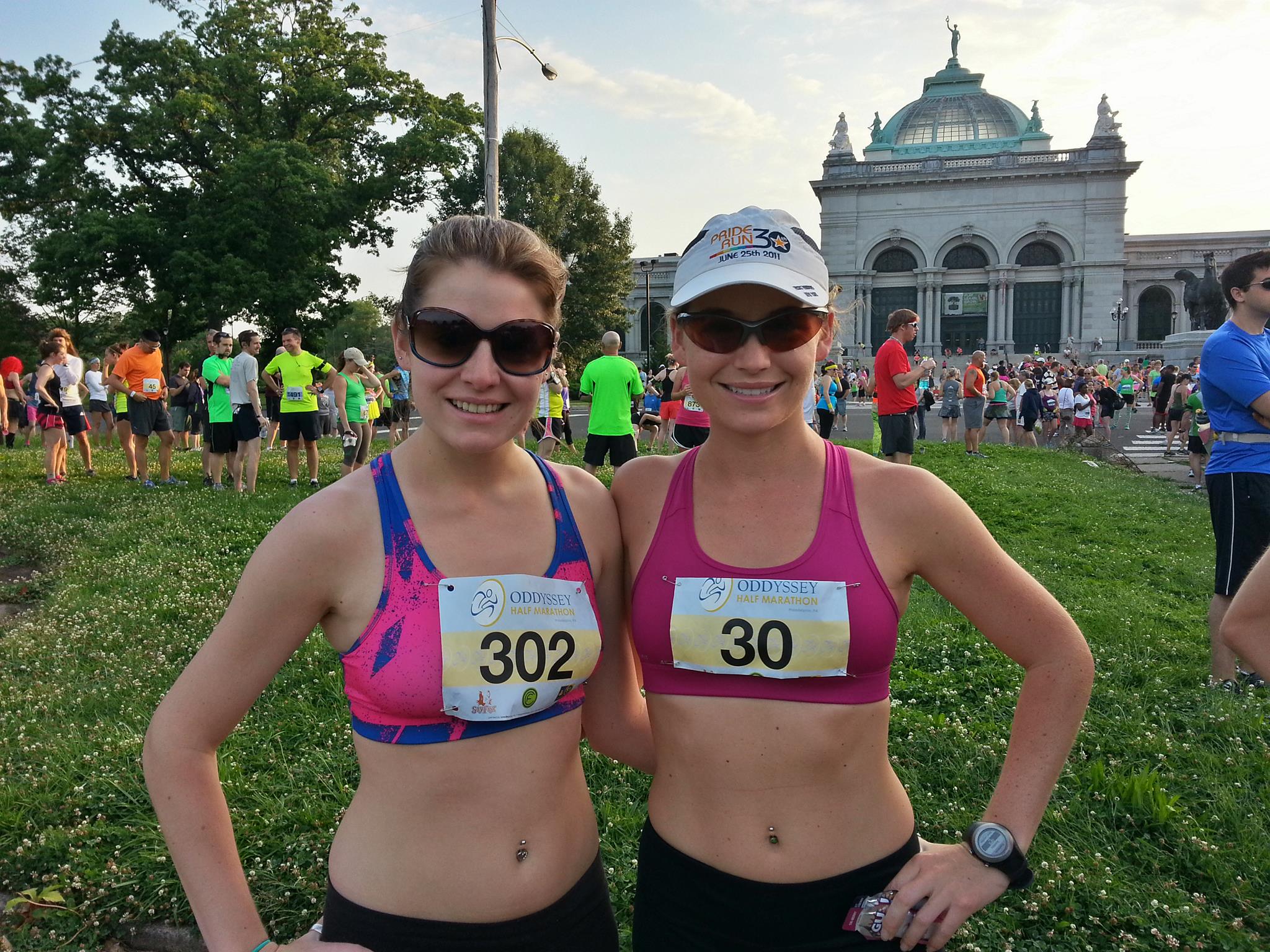
997725_10101358484902303_210800078_oI recently paced my sister in a Half Marathon (her first race ever!), and you experience a race very differently when pacing than you do when racing.

One thing that I noticed: many runners on the course didn’t know the race course! They listened carefully to my advice I was spewing out to my sister, to keep her prepared for what was next. Many, when faced when an unexpected hill, would completely crumble.

Yes, ignorance can sometimes be bliss, but as a runner, ignorance is just plain dumb and poor planning. If you have a goal race, regardless of distance, STUDY that race course!!!!! There are NO EXCUSES for not knowing the course (race websites will have it posted, and you can always look up info), and it is for your benefit. The only time you won’t know the elevation may be on a new race course, though a map and mile markers will still be available to study.

As my sister and I turned the corner around the 12.5 mile mark, and were faced with a long, hard hill (longer than Heartbreak Hill, for example), runners around us stopped, walked, sighed, doubled-over, and gave in to the race course. If they had done their research, they may have still struggled physically, but mentally they would have been prepared.